
POSH WORKSHOP-22 SEPTEMBER 2025





POSH WORKSHOP-22 SEPTEMBER 2025
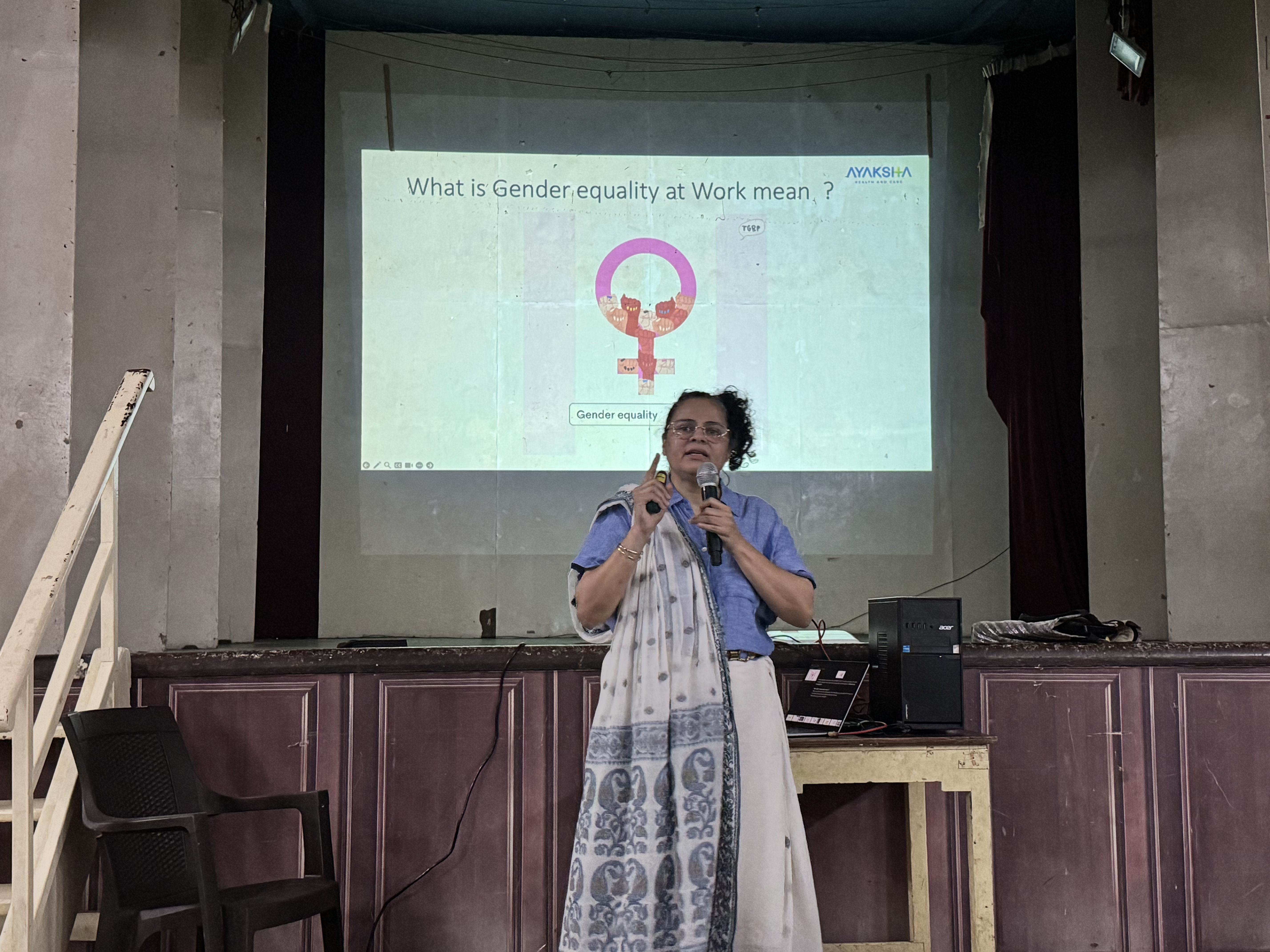
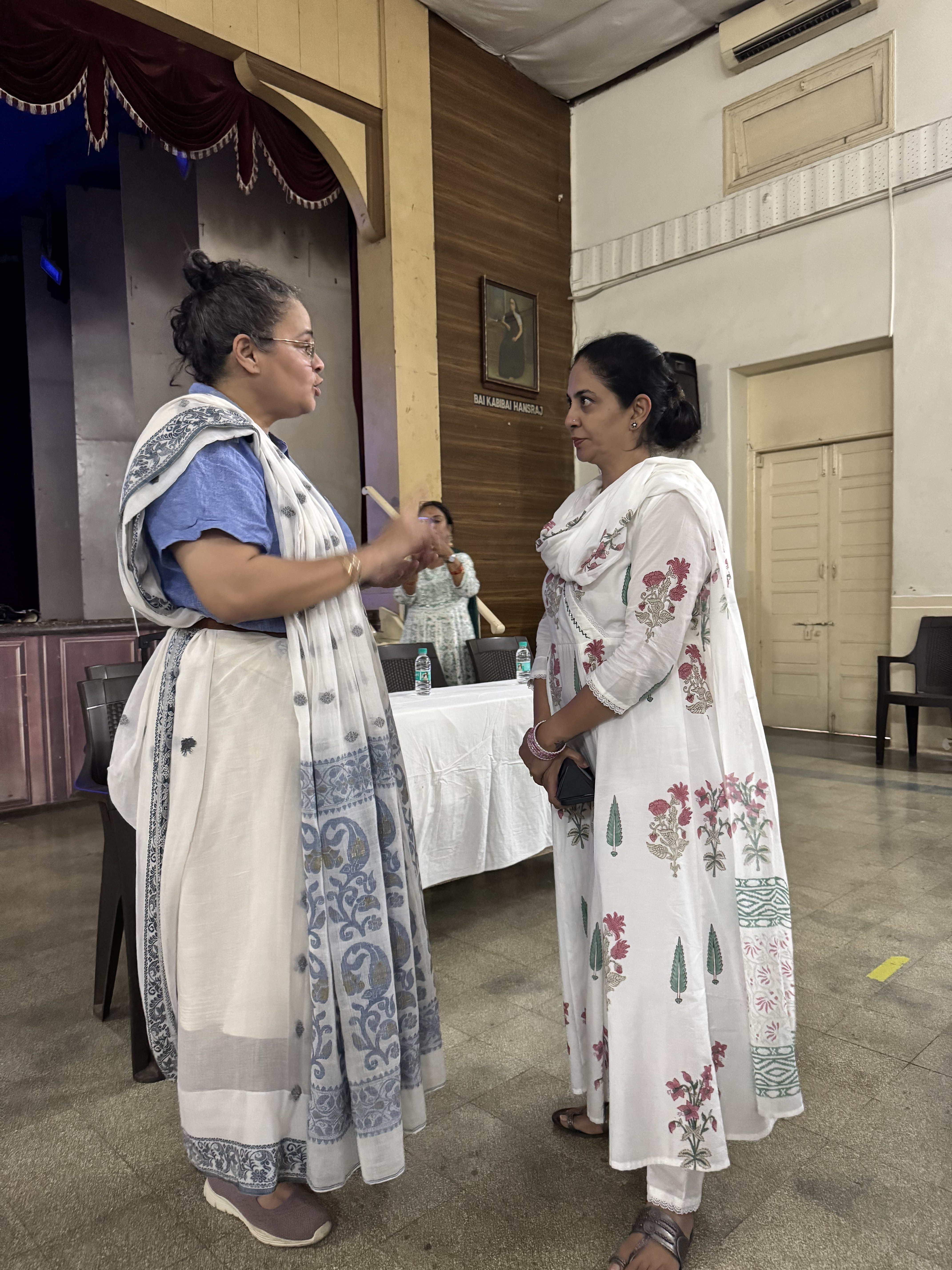
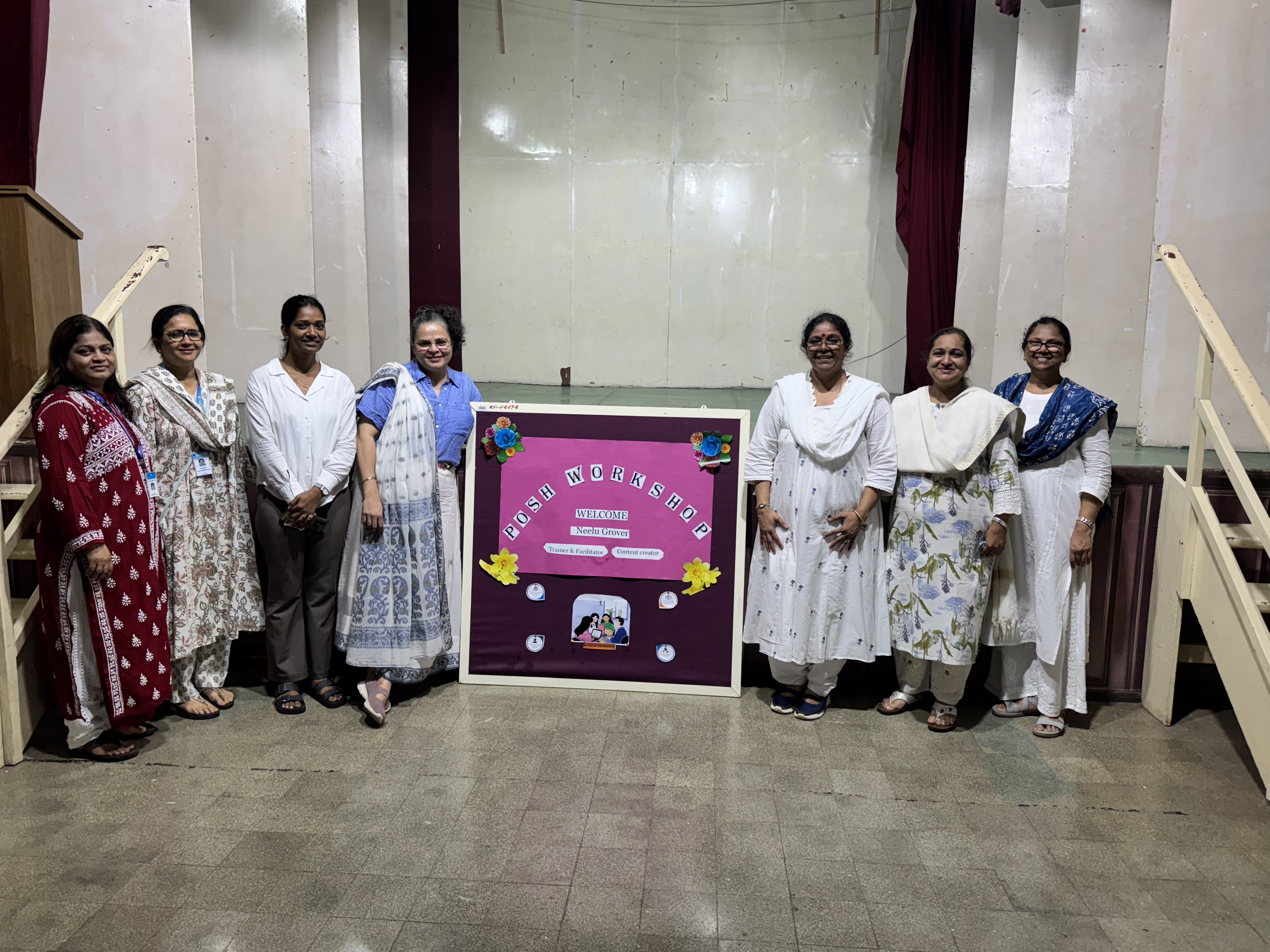
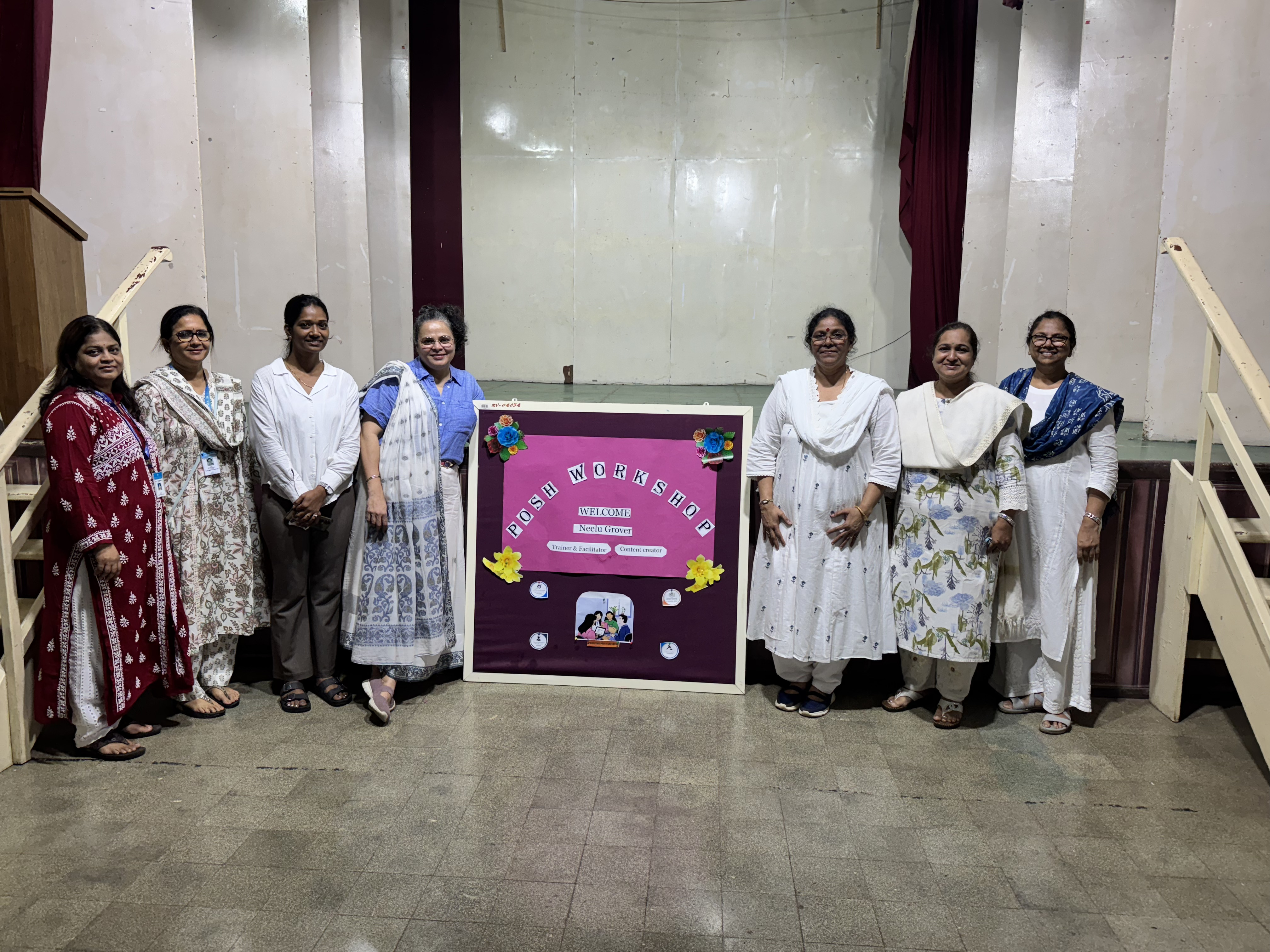
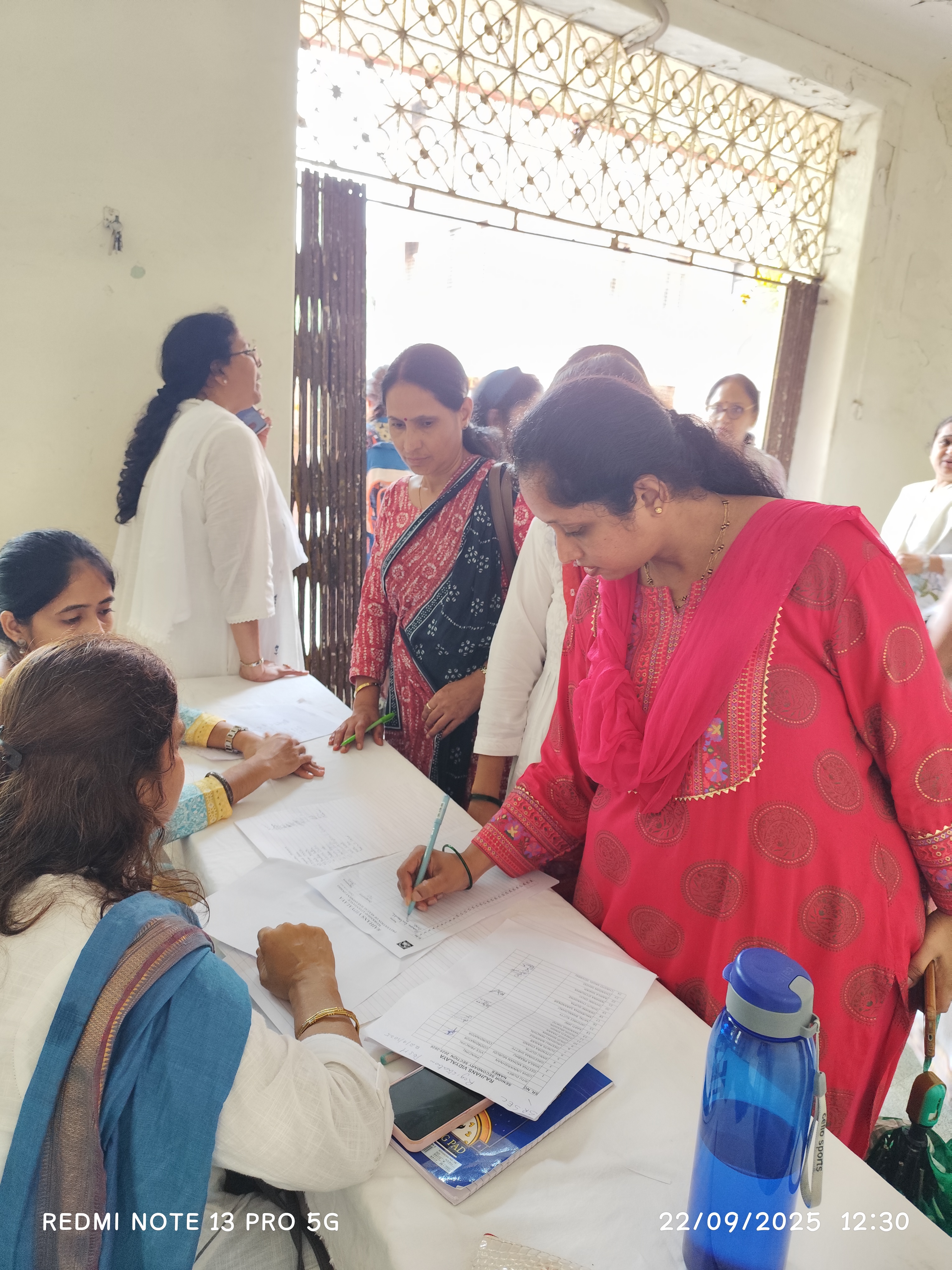
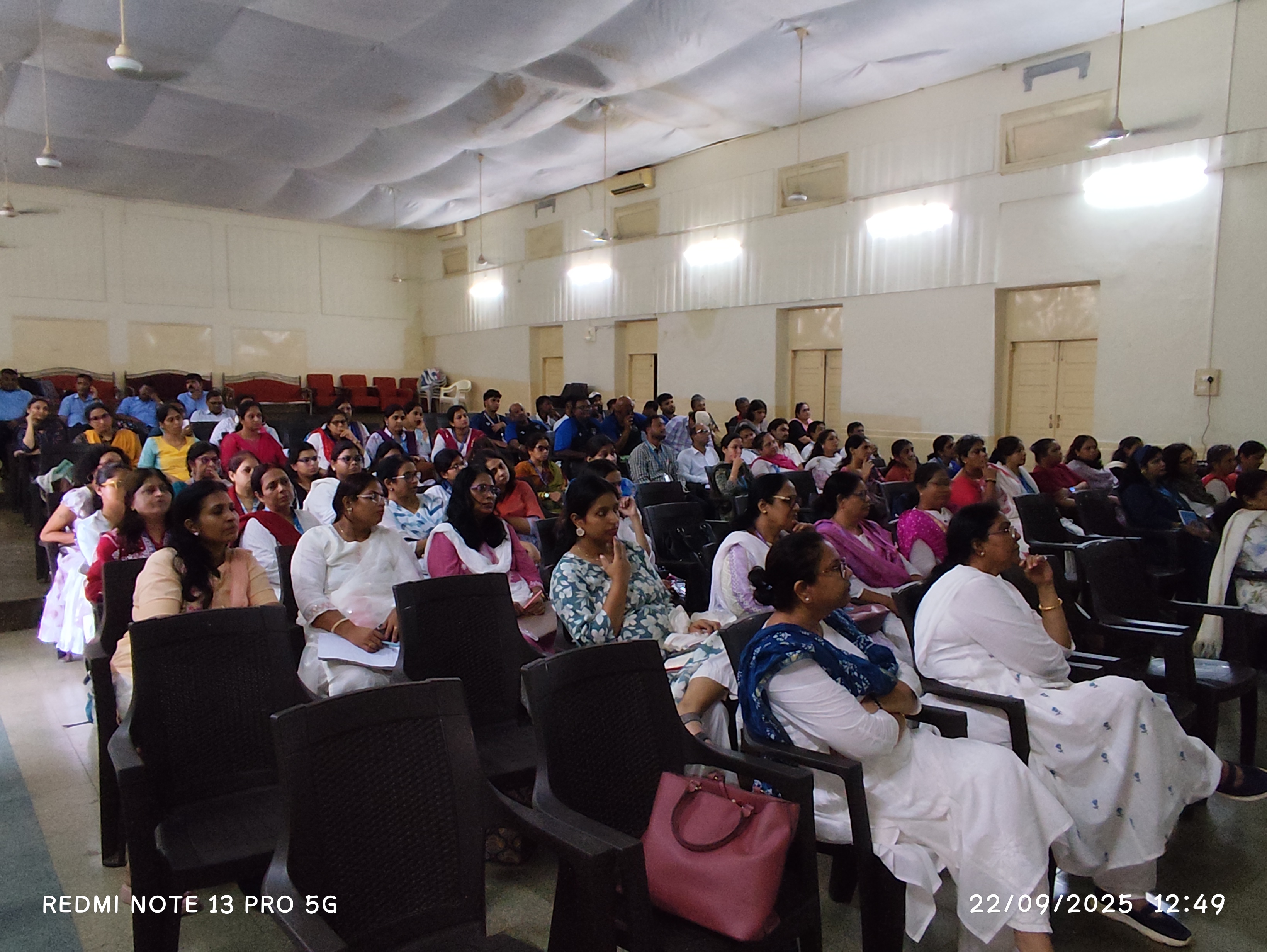
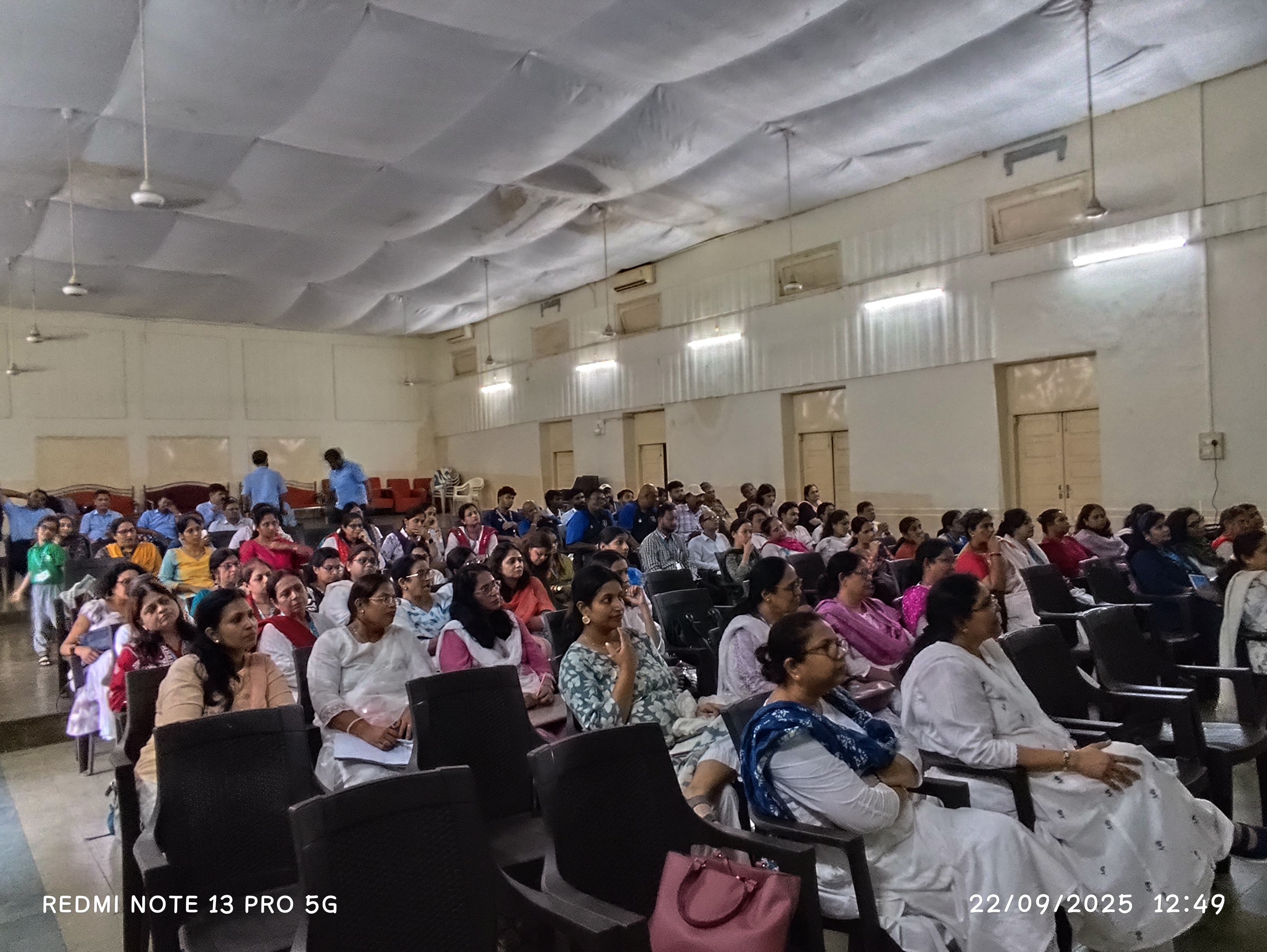
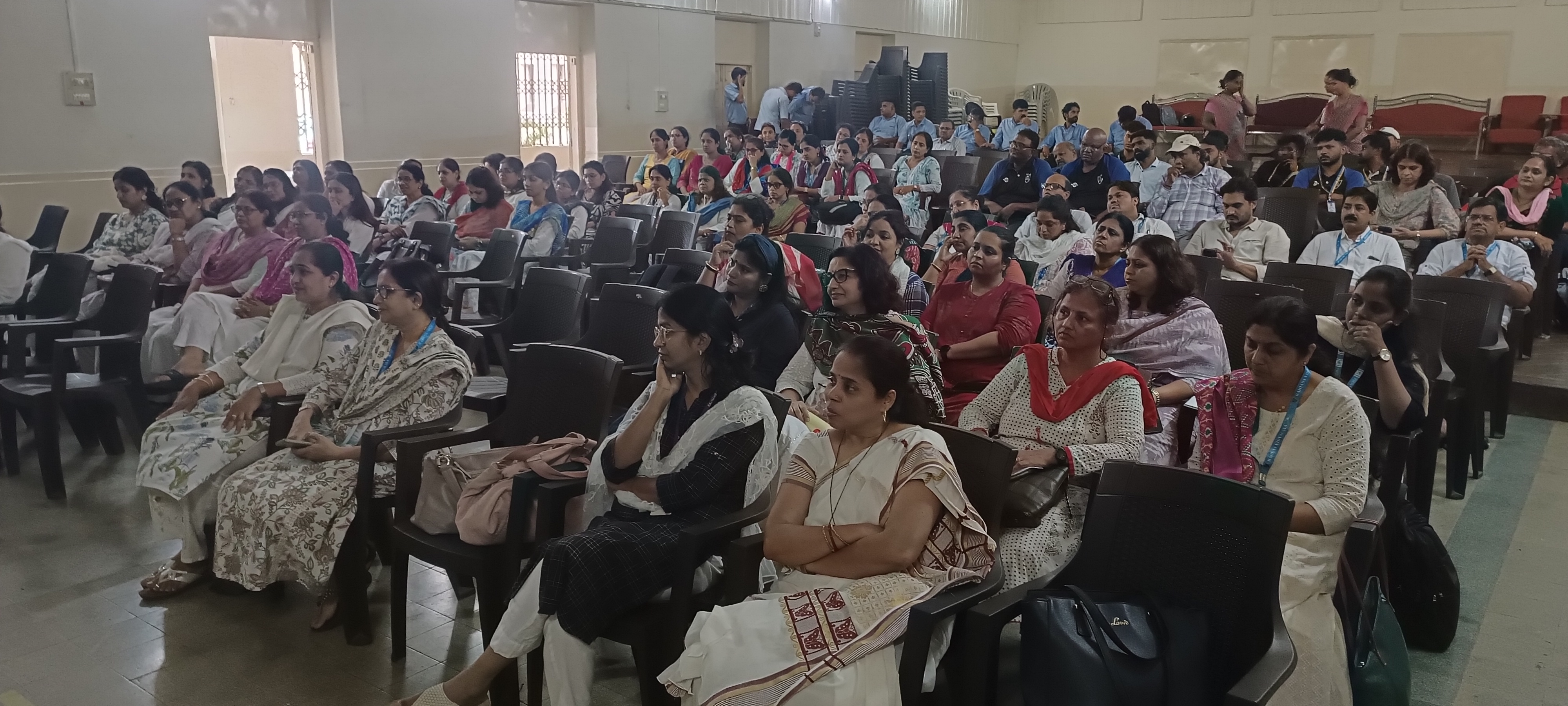
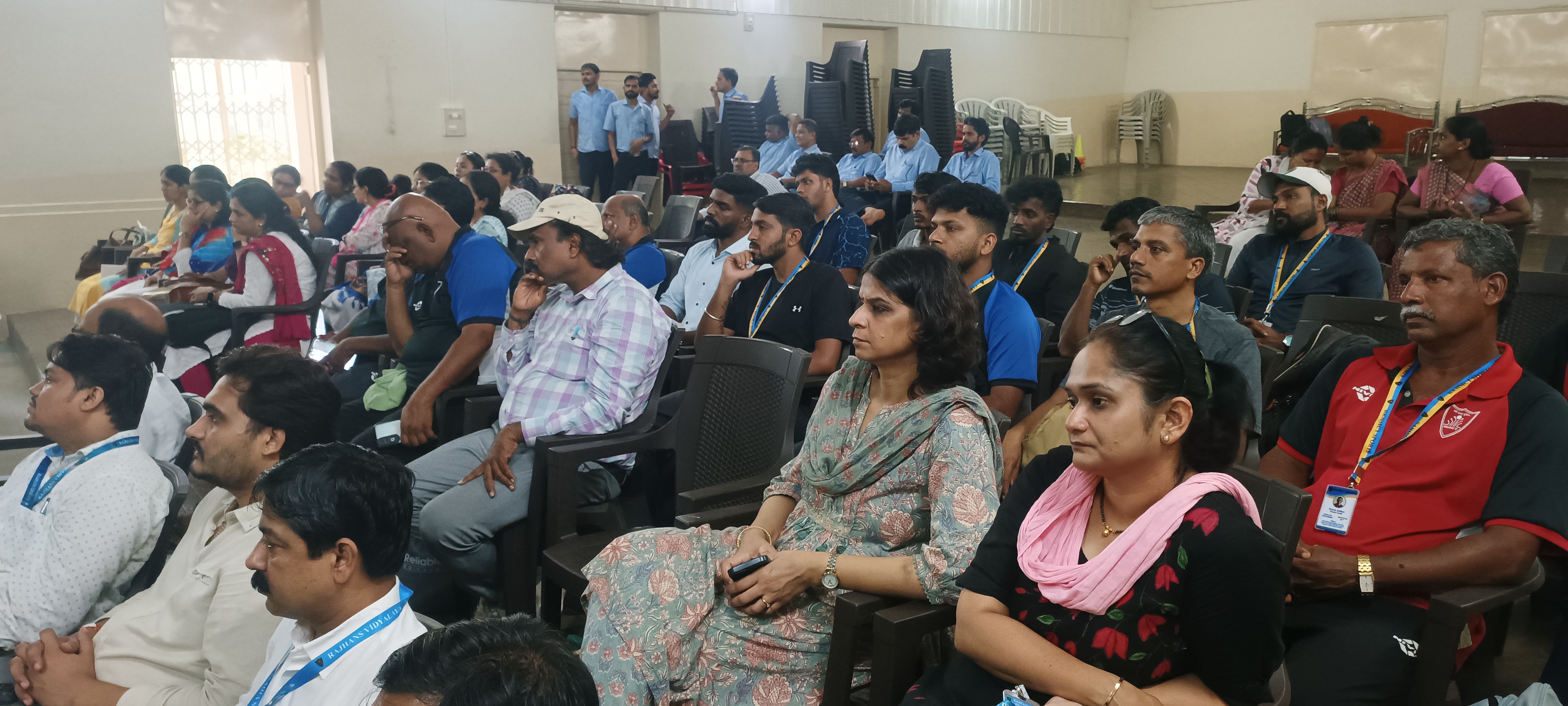
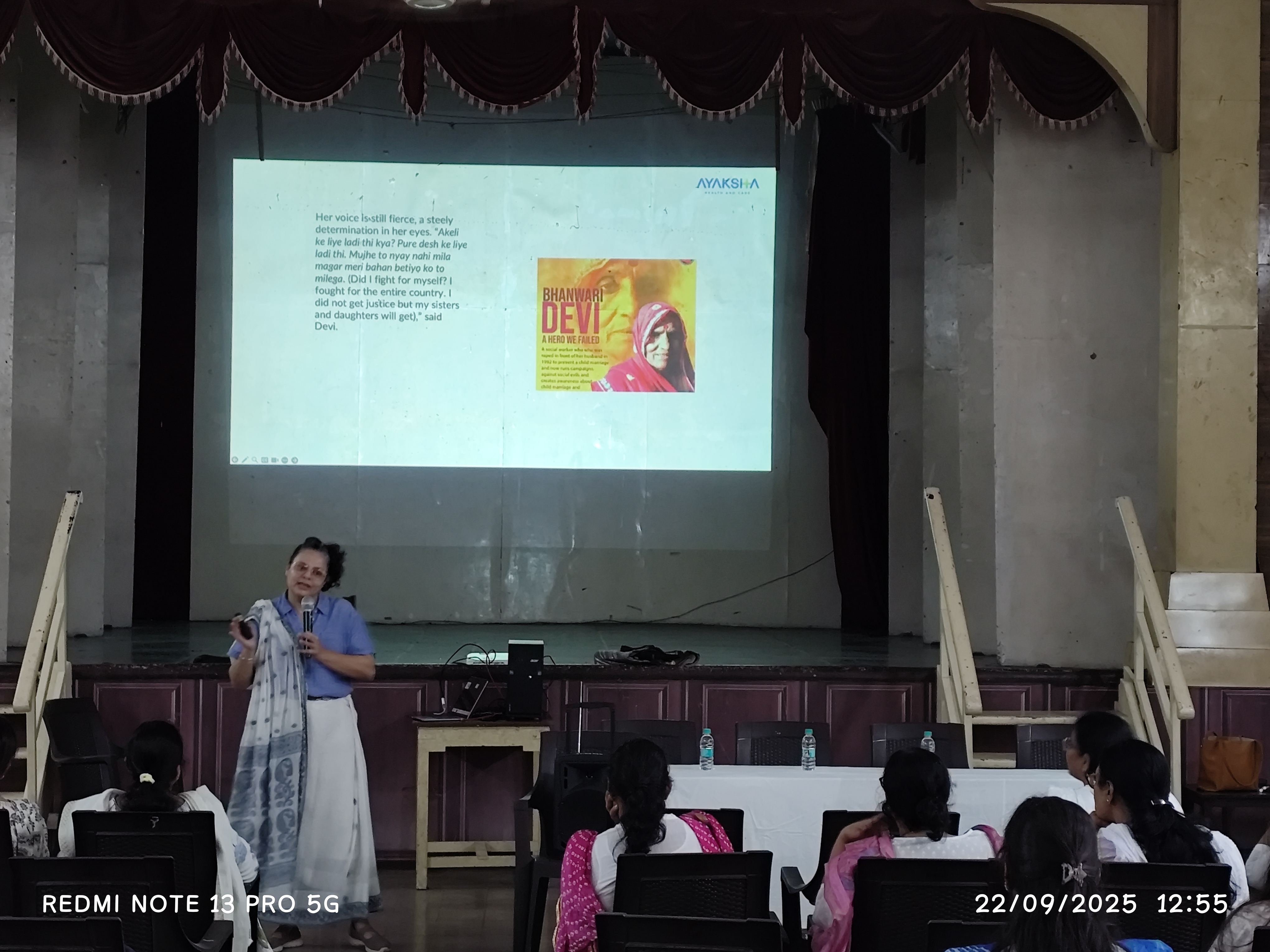
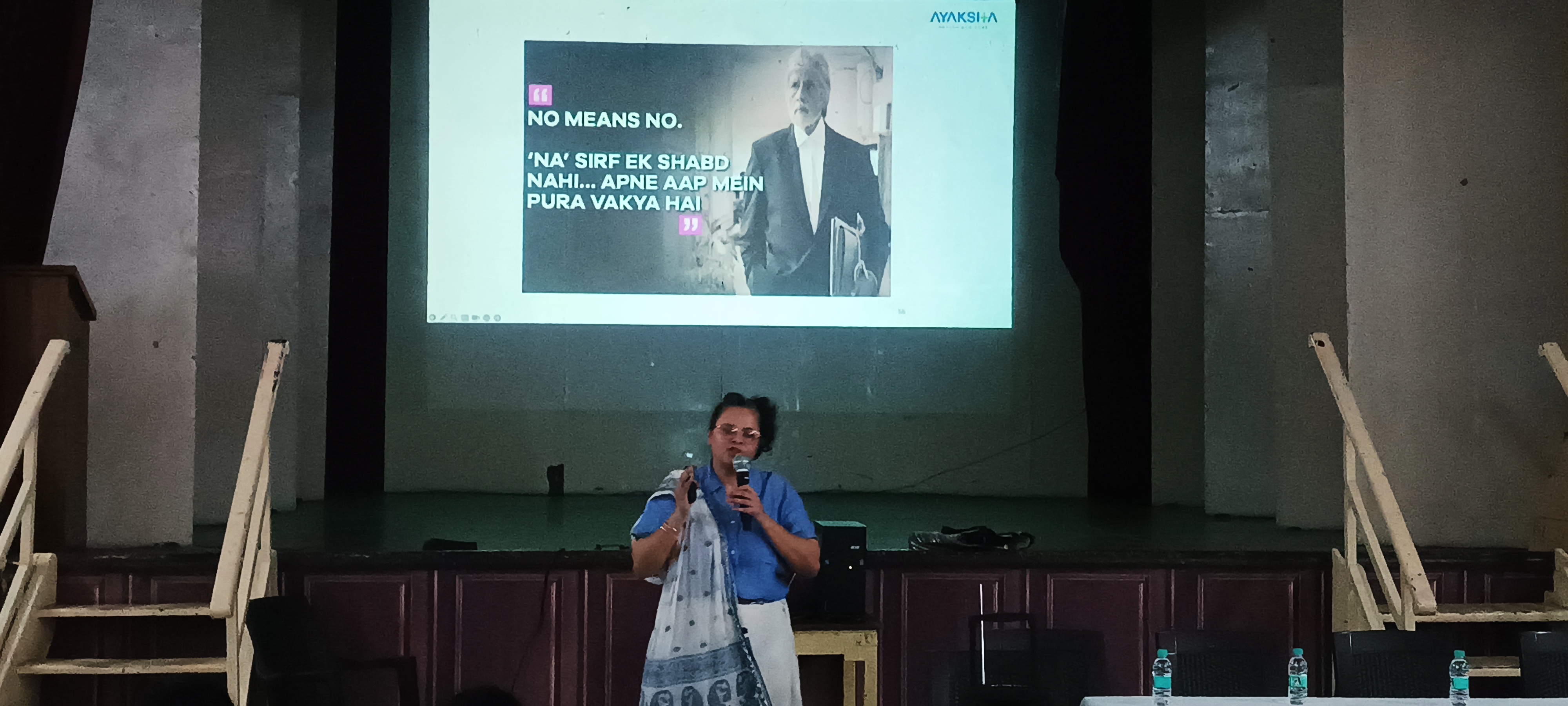
On 22nd September 2025, Rajhans Vidyalaya hosted a “POSH Workshop” conducted by Ayaksha Health and Care Organisation, from 12:30 pm to 1:50 pm in the school premises for Rajhans Vidyalaya teachers and support staff. The objective of the session was to offer structured guidance on understanding the POSH Act (Prevention of Sexual Harassment at Workplace, 2013), raise awareness about workplace safety, and equip participants with knowledge of the procedures for reporting and redressed of complaints.
The workshop was led by Ms. Neelu Grover, a seasoned trainer, educator, and social sector professional with almost two decades of expertise in gender justice, sexuality education, child protection, reproductive health, and community well-being. Alongside her extensive work with NGOs and institutions, she also serves as HR Director at VISCOMM, a reputed communication solutions partner. Over the years, she has designed and facilitated meaningful
workshops for students, teachers, and parents on topics ranging from body safety and puberty to gender diversity, POCSO awareness, and nurturing compassionate children. Through her POSH and gender trainings, she has consistently created safe, stigma-free, and inclusive spaces where every individual feels respected, valued, and empowered. Her commitment, grounded expertise, and thoughtful approach make her not only an exceptional facilitator but
also a true change maker.
The POSH Workshop emphasized the significance of building a safe and inclusive workplace by preventing sexual harassment and ensuring gender equality. The session explained that gender equality at work goes beyond providing jobs—it includes equal opportunities, fair salary, and respect for men, women, and transgender employees. It also highlighted the reasons why equality is often not achieved, such as rigid mindsets, social stigma, and power imbalances that give rise to harassment and discrimination. A historical perspective on POSH was shared, recalling how in the 1980s many professionals like nurses, teachers, and air hostesses faced harassment. The landmark 1992 Bhanwari Devi case in Rajasthan drew international attention and led to the Supreme Court framing the Vishaka Guidelines in 1997.
Later cases such as Rupan Deol Bajaj vs. K.P.S. Gill and the 2012 Nirbhaya incident further reinforced the urgency of workplace safety, finally resulting in the POSH Act of 2013. The workshop explained that sexual harassment includes any unwelcome conduct—verbal, non- verbal, or physical—at the workplace, and that the law extends its protection to employees in both organised and unorganised sectors, as well as students and research scholars in academic
institutions. The three key pillars of the Act—Prevention, Prohibition, and Redressal—were discussed in depth, guiding participants on their rights, responsibilities, and the procedures for seeking justice. Overall, the session underlined that POSH is not only a legal safeguard but also a step towards fostering dignity, safety, and equality in every workplace.
The workshop concluded with the message that awareness, sensitivity, and collective responsibility are essential to create a workplace that upholds dignity, equality, and safety for all. It reinforced that POSH is not merely a legal compliance but a moral commitment, where every individual has a role to play in preventing harassment, breaking stereotypes, and ensuring that the workplace becomes a space of trust, respect, and equal opportunity.