
UNDERSTANDING, ENGAGING & EMPOWERING LEARNERS – 26 FEBRUARY 2026
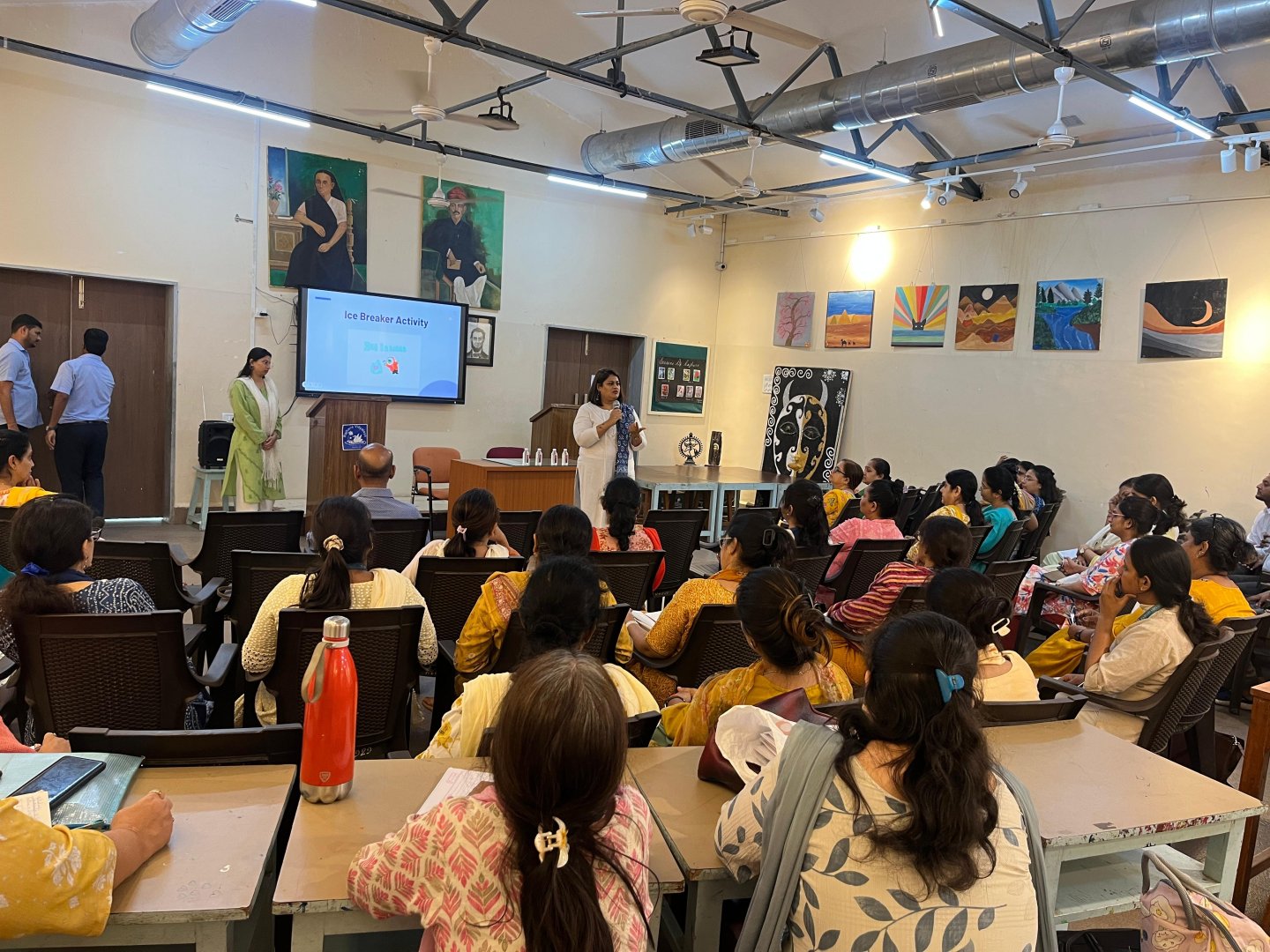
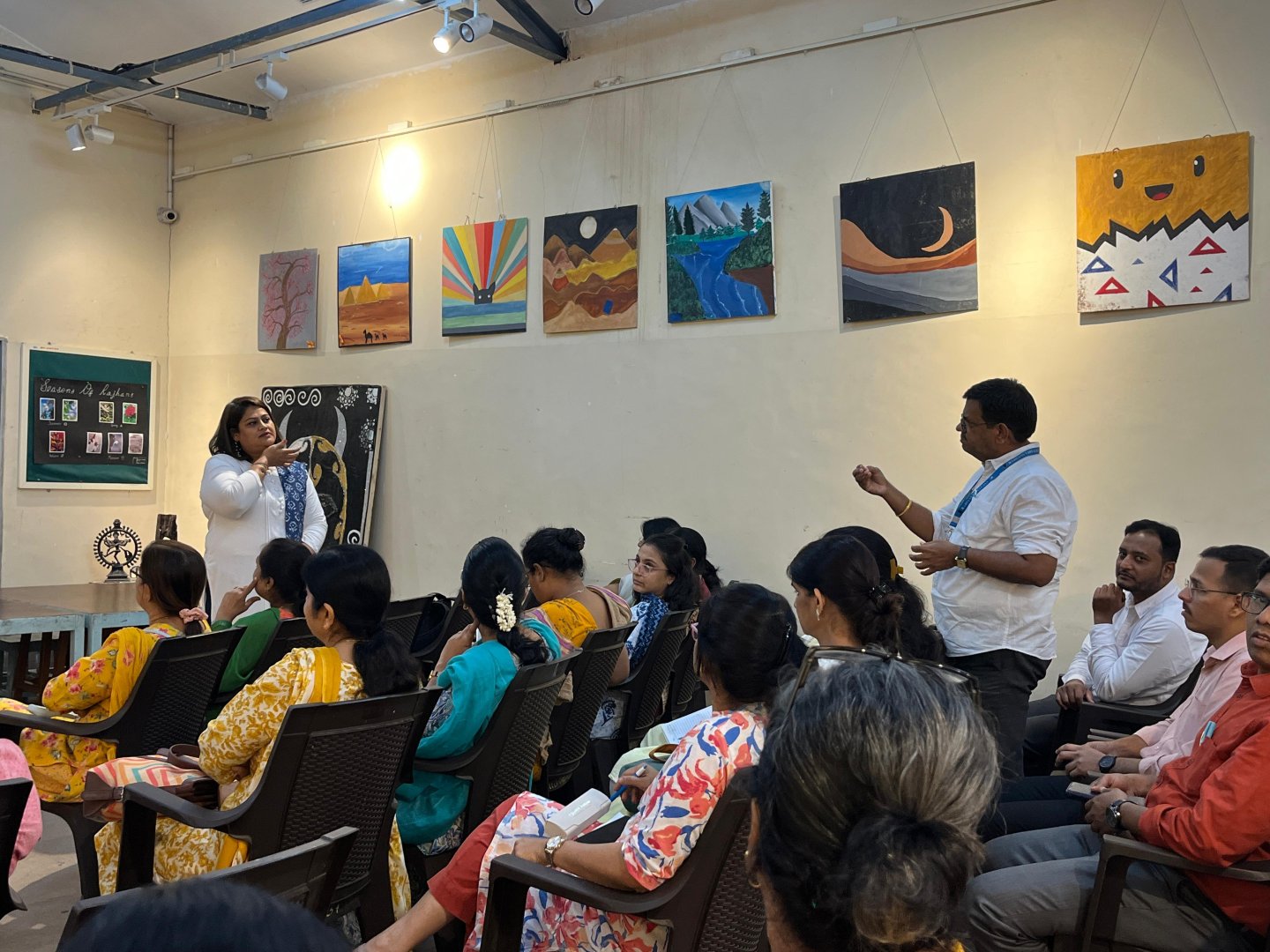
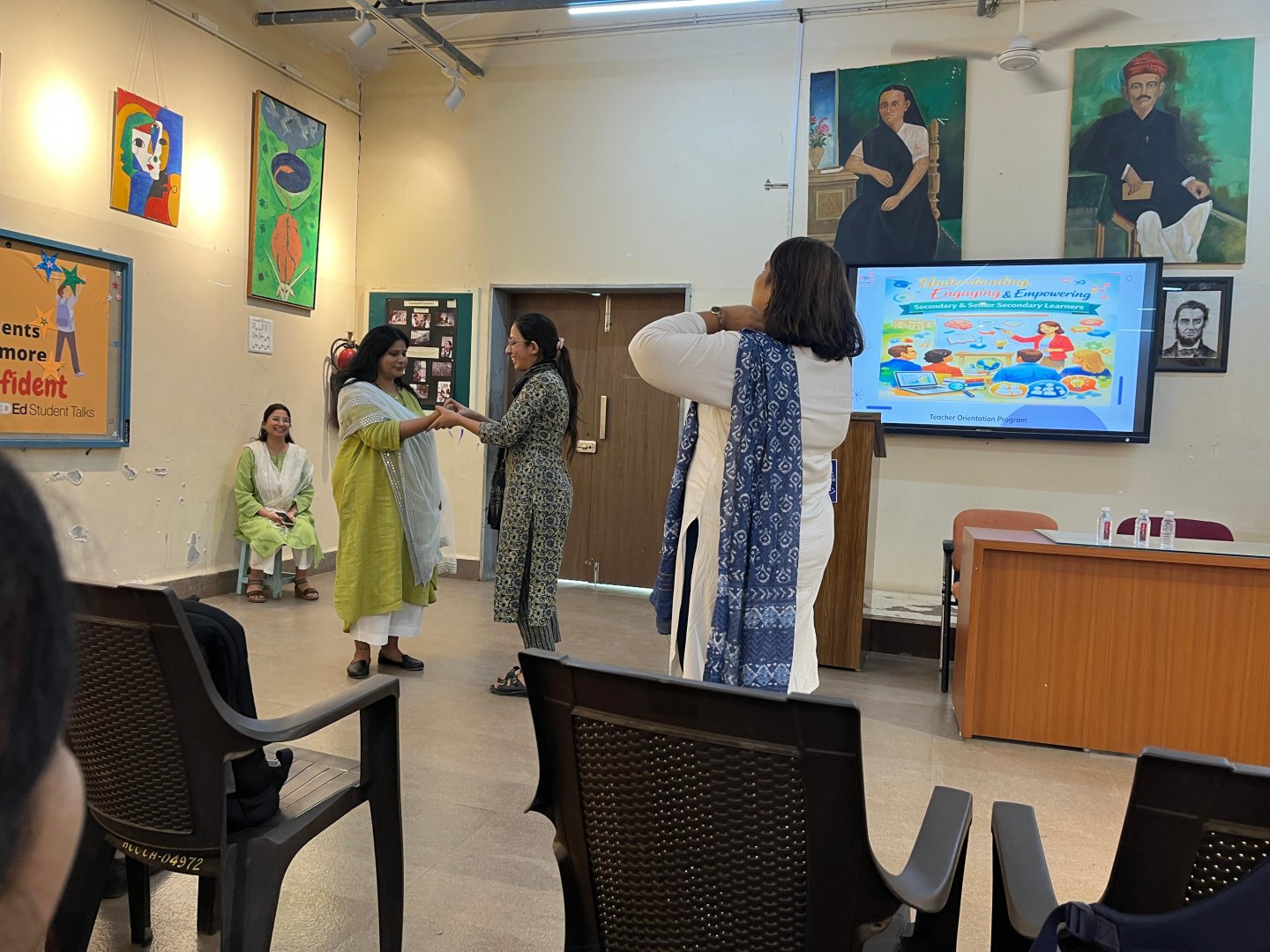
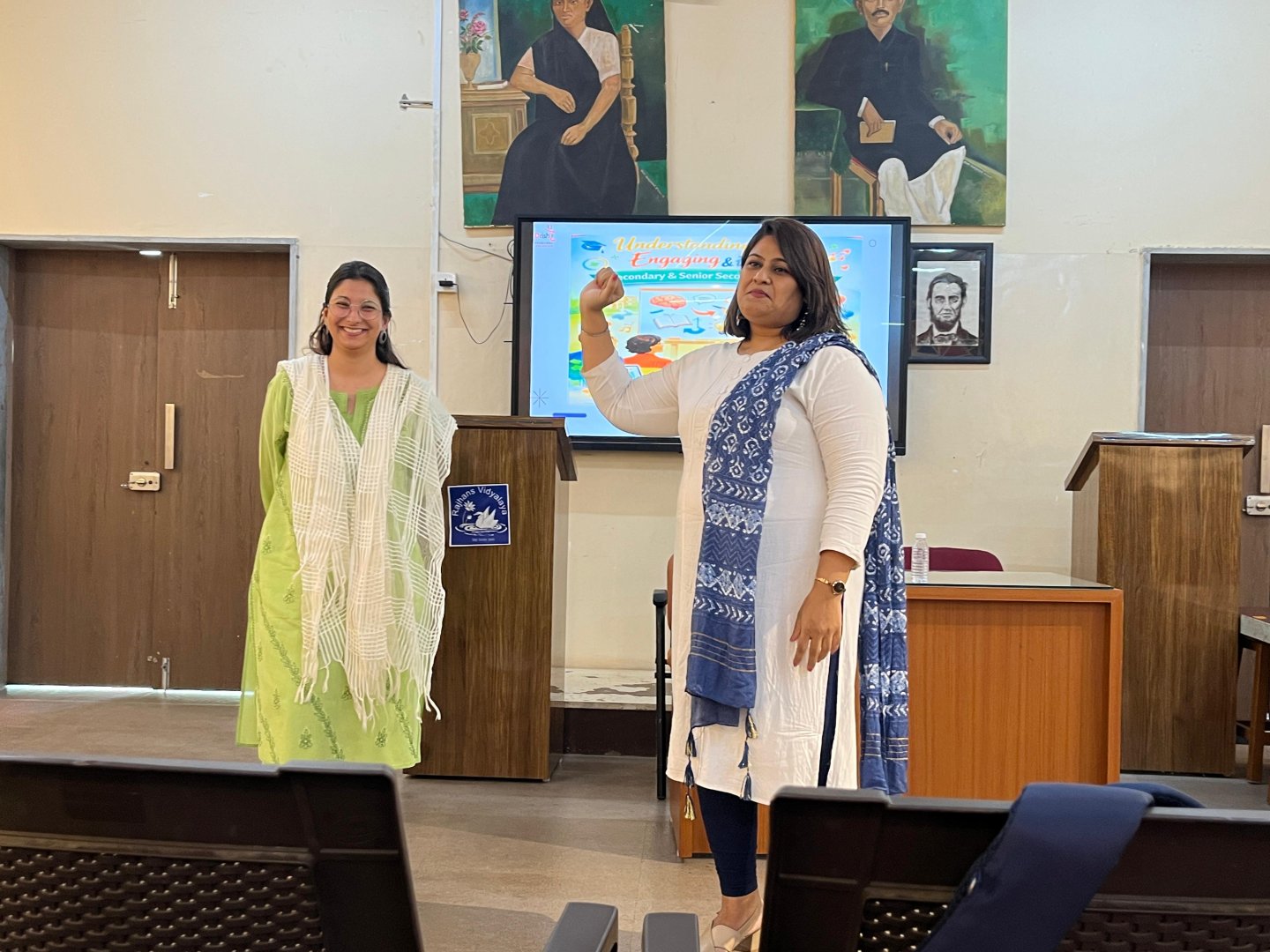
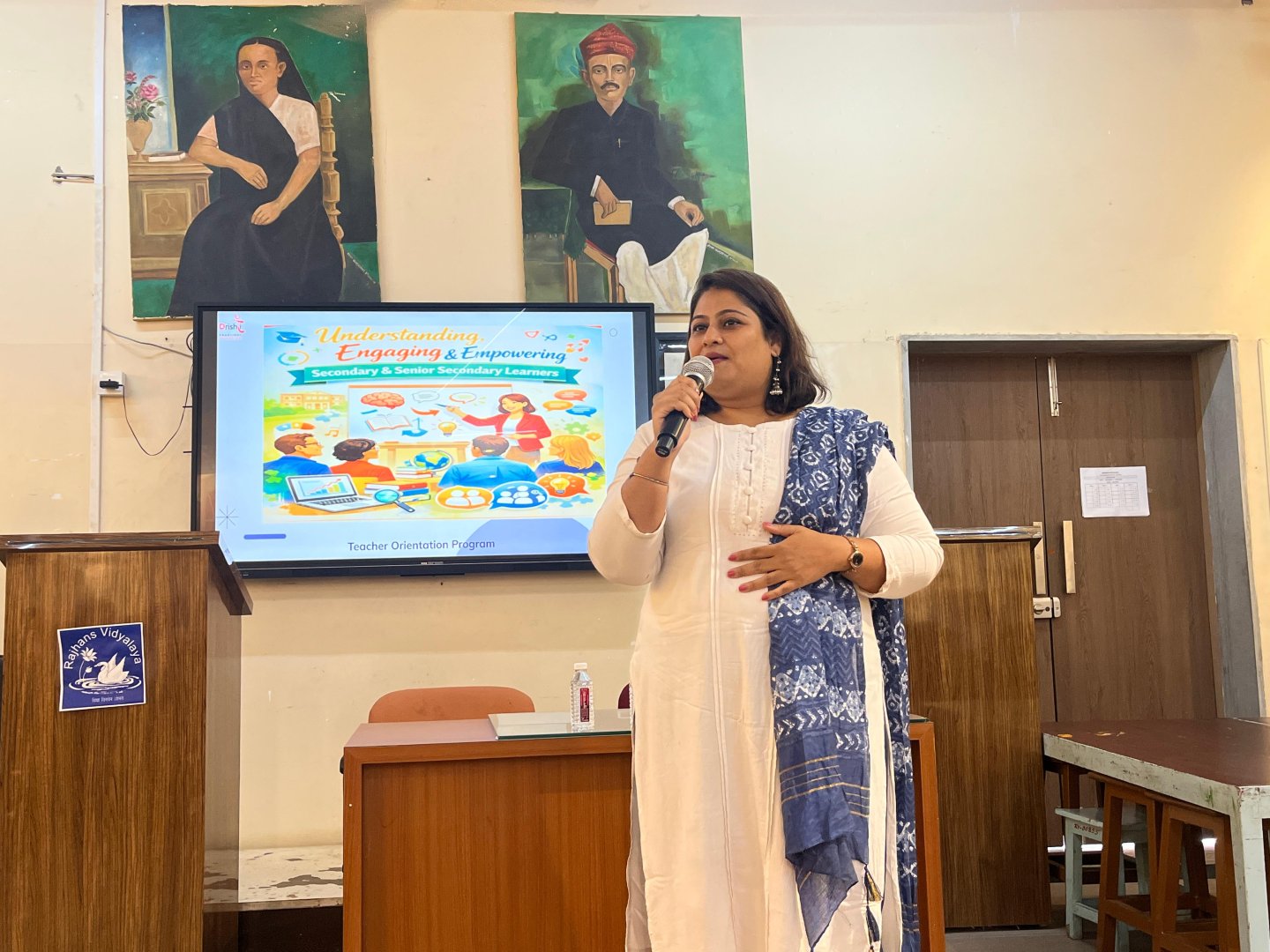
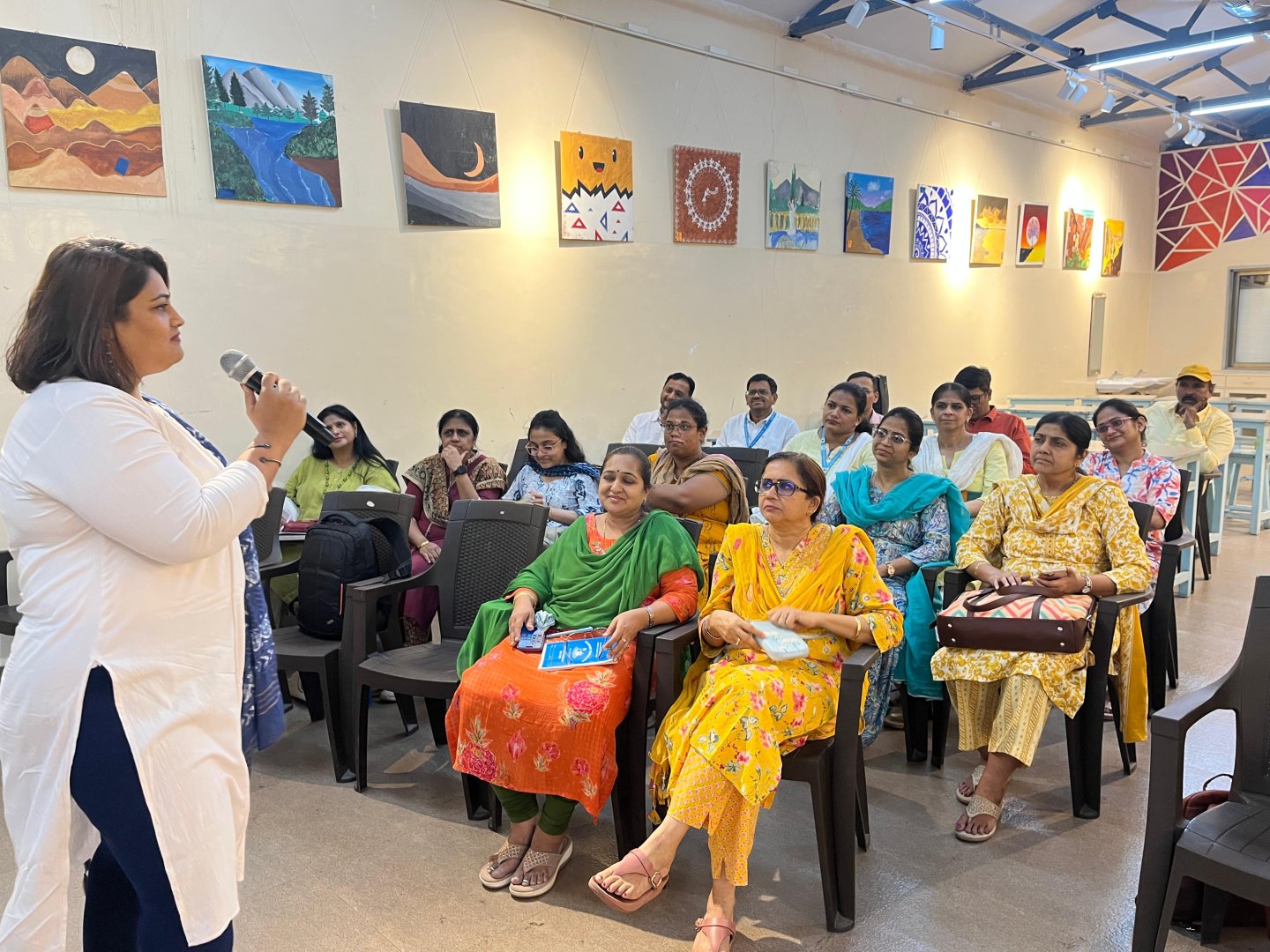
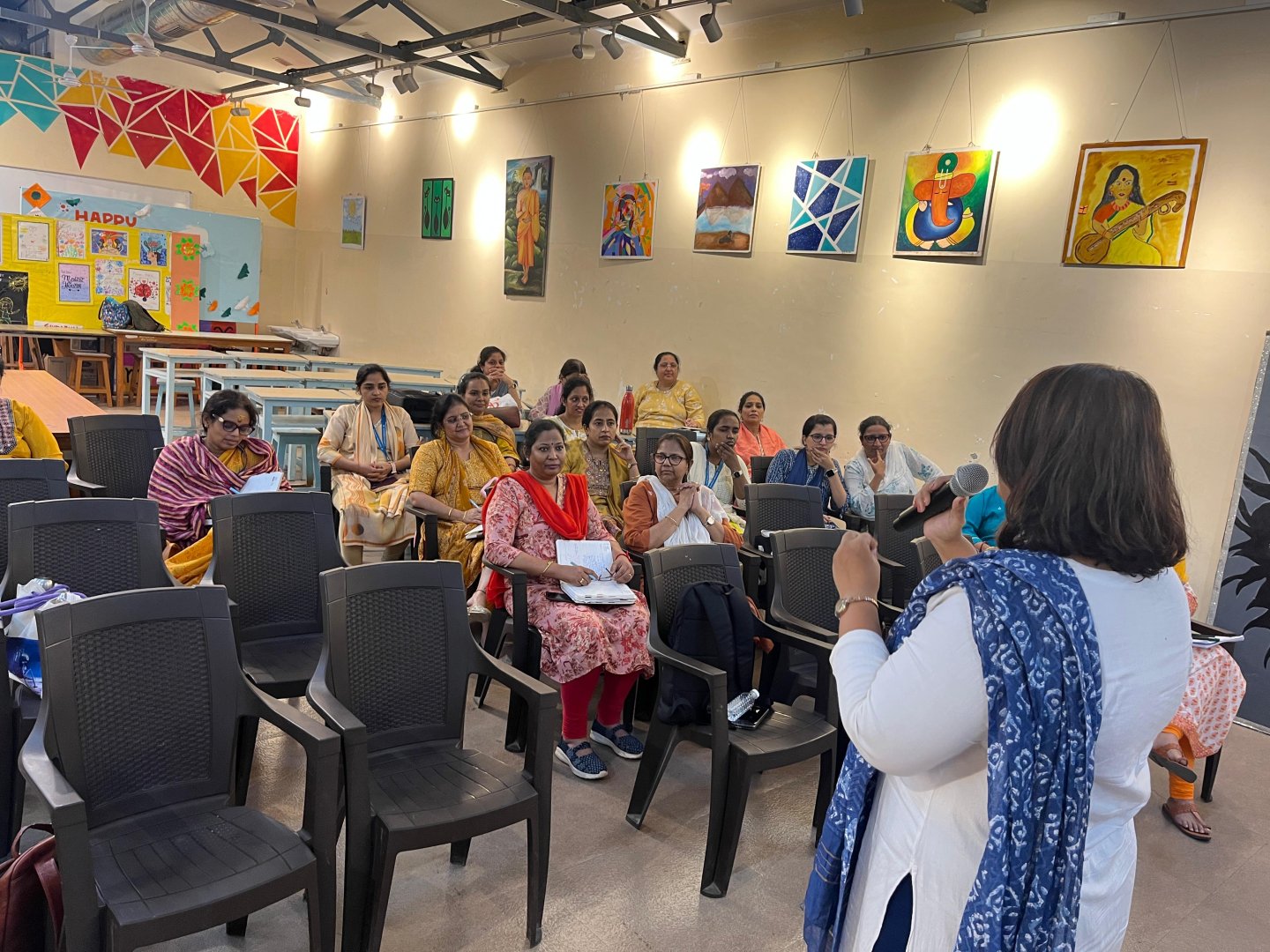
A comprehensive session on Understanding, Engaging and Empowering Learners was conducted by Namrata Chandwadkar on 26th February 2026 in the Art Room of Rajhans Vidyalaya. The session aimed at equipping educators with practical strategies to effectively address the academic, emotional, and behavioural challenges faced by today’s teenagers.
The resource person began by highlighting the changing dynamics of adolescence and the growing pressures experienced by students in the modern, digitally influenced world. She emphasized that effective communication forms the foundation of a healthy classroom environment.
Teachers were encouraged to practice attentive and empathetic listening, remain patient and non-judgmental, and create a safe space where students feel comfortable expressing their thoughts and emotions. Understanding students’ perspectives and motivating them positively were identified as key elements in strengthening teacher–student relationships. A major focus of the session was student empowerment.
Empowering learners involves helping them recognize their strengths, responsibilities, and potential. Teachers were guided to adopt the role of mentors rather than controllers, encouraging independent thinking and involving students in classroom decision-making processes.
The session also addressed behavioural concerns commonly observed among adolescents and stressed the importance of handling such issues with sensitivity. Educators were advised to avoid labelling students and instead support them through constructive guidance and inclusion. The programme further emphasized inclusive teaching practices. Strategies were discussed to cater to diverse learners, including slow learners, average learners, and advanced learners. Differentiated instruction, varied teaching methodologies, experiential learning, and continuous assessment were recommended to ensure that every student progresses according to their pace and capability.
Extensive classroom management strategies were shared to promote discipline and engagement. Teachers were advised to establish clear rules and structured routines to maintain order and stability. Consistency, fairness, and positive reinforcement were highlighted as essential tools for encouraging appropriate behaviour. Planning engaging and interactive lessons, encouraging group discussions, and incorporating collaborative activities were suggested to enhance student participation.
The importance of building personal rapport, addressing conflicts calmly through dialogue, and practising restorative approaches was also discussed. Additionally, teachers were encouraged to observe early signs of stress, anxiety, or disengagement and provide timely support. The session also addressed the challenges of communicating with parents and managing Gen Z learners.
Constructive, solution-oriented communication with parents was recommended to build mutual trust and partnership. Understanding the mindset, digital exposure, and expectations of Gen Z students was considered crucial for effective classroom management. Teachers were encouraged to respond with confidence, flexibility, compassion, and clarity. The session concluded with the reminder that teaching is a continuous journey of learning and growth. Educators must remain adaptable, empathetic, and open to change in order to meet the evolving needs of students and create a supportive, inclusive, and empowering educational environment.