
WORKSHOP ON STRENGTHENING PARENT-CHILD RELATIONSHIPS -18 JULY 2026
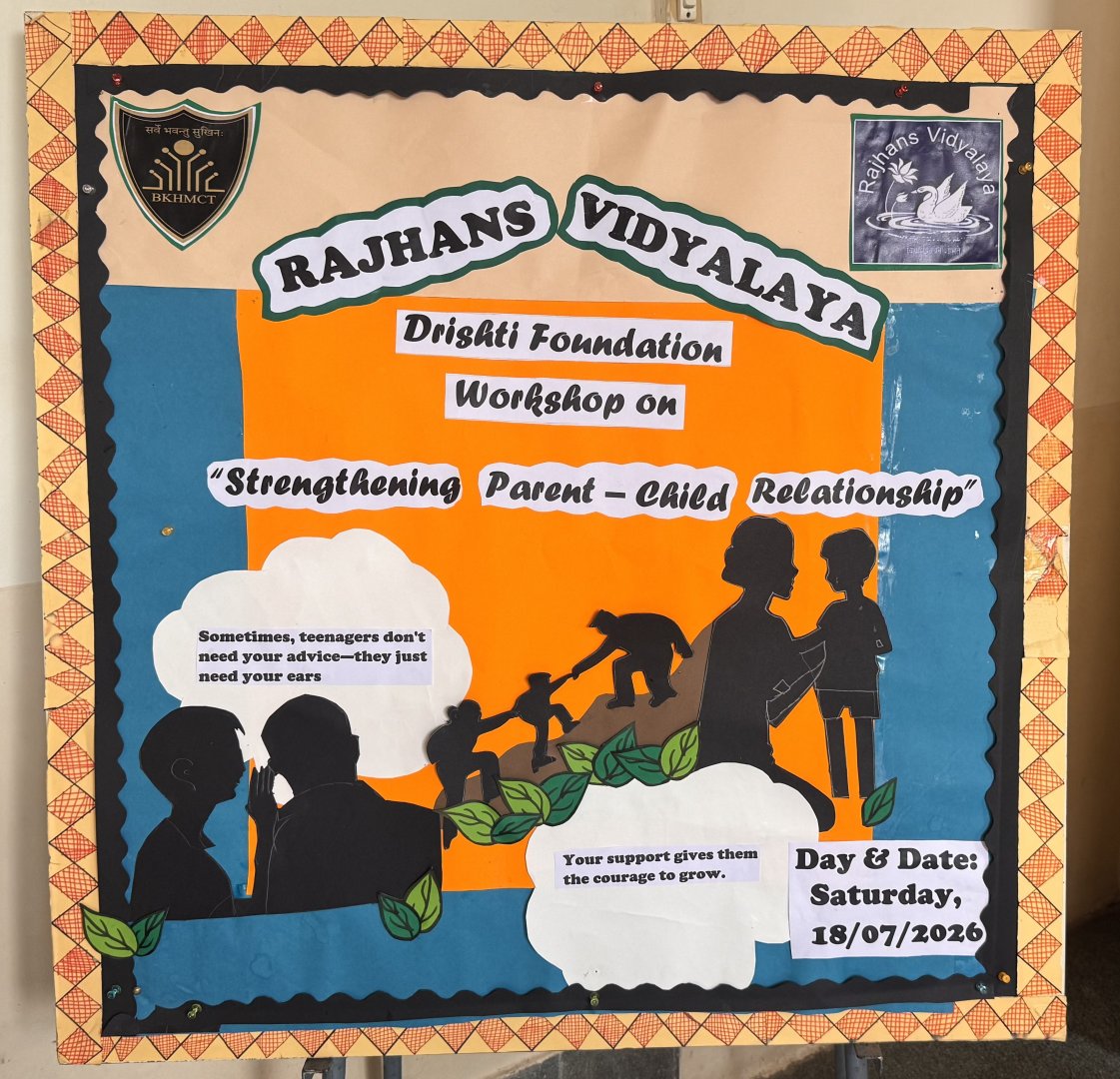
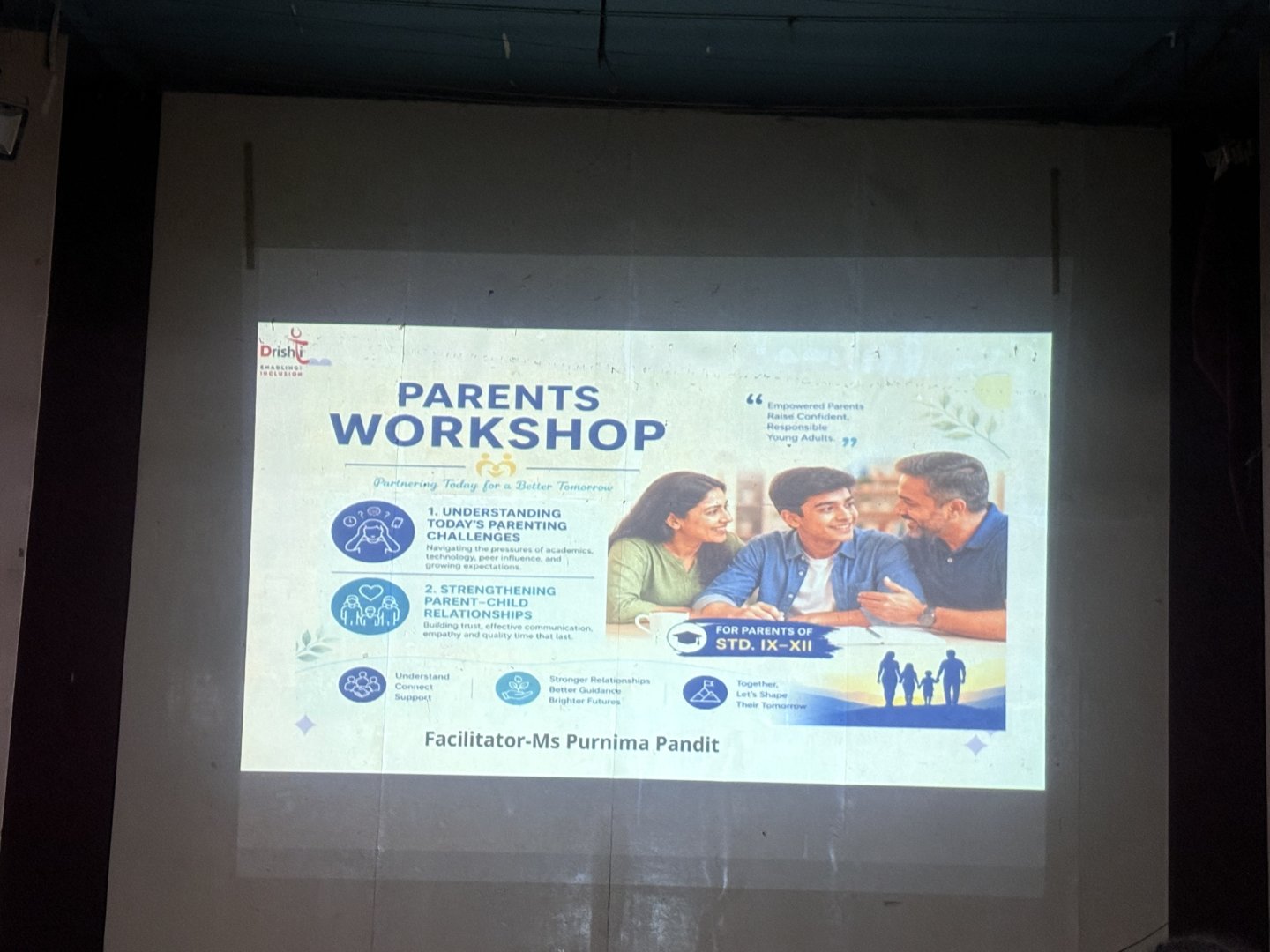
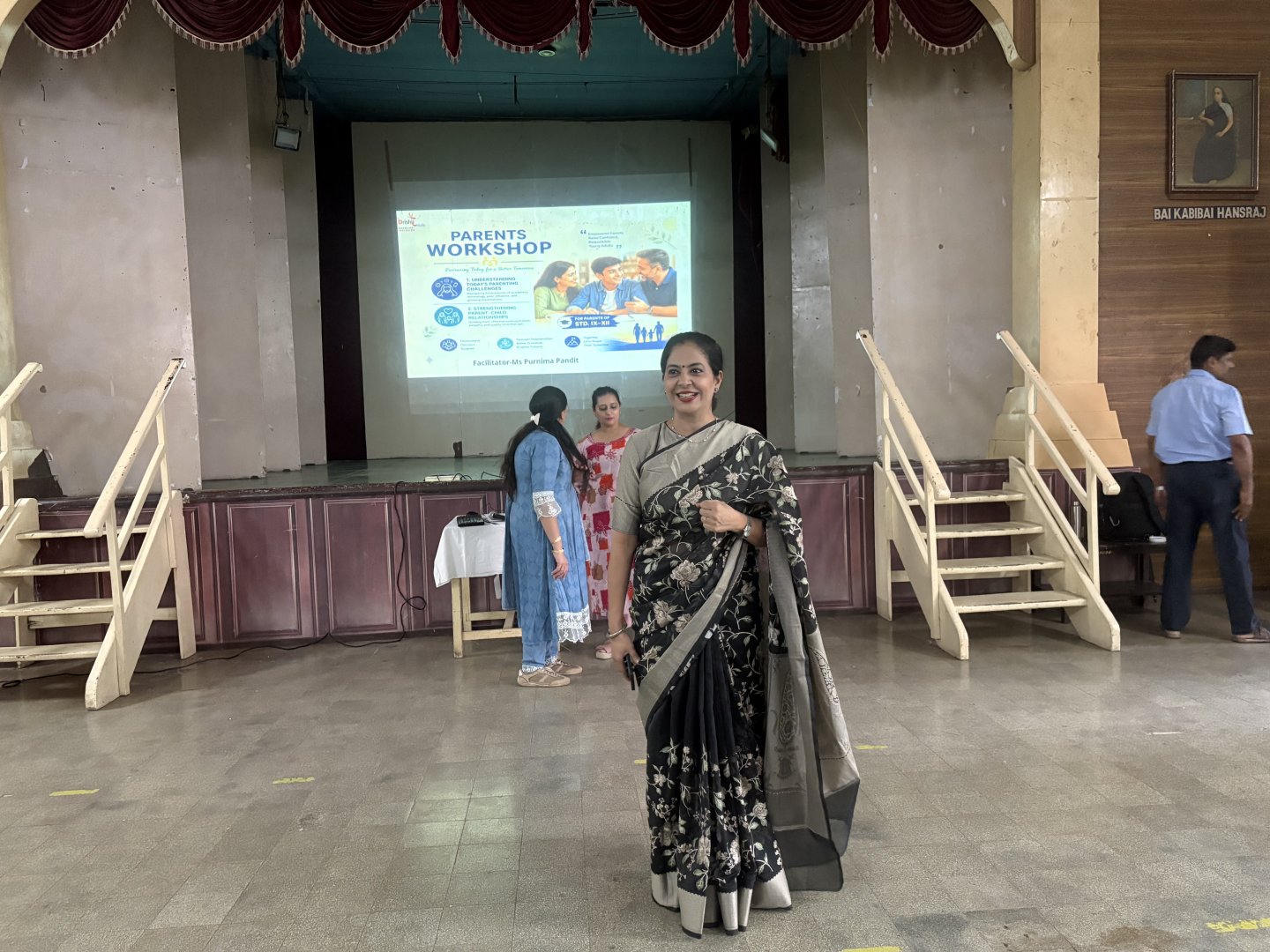
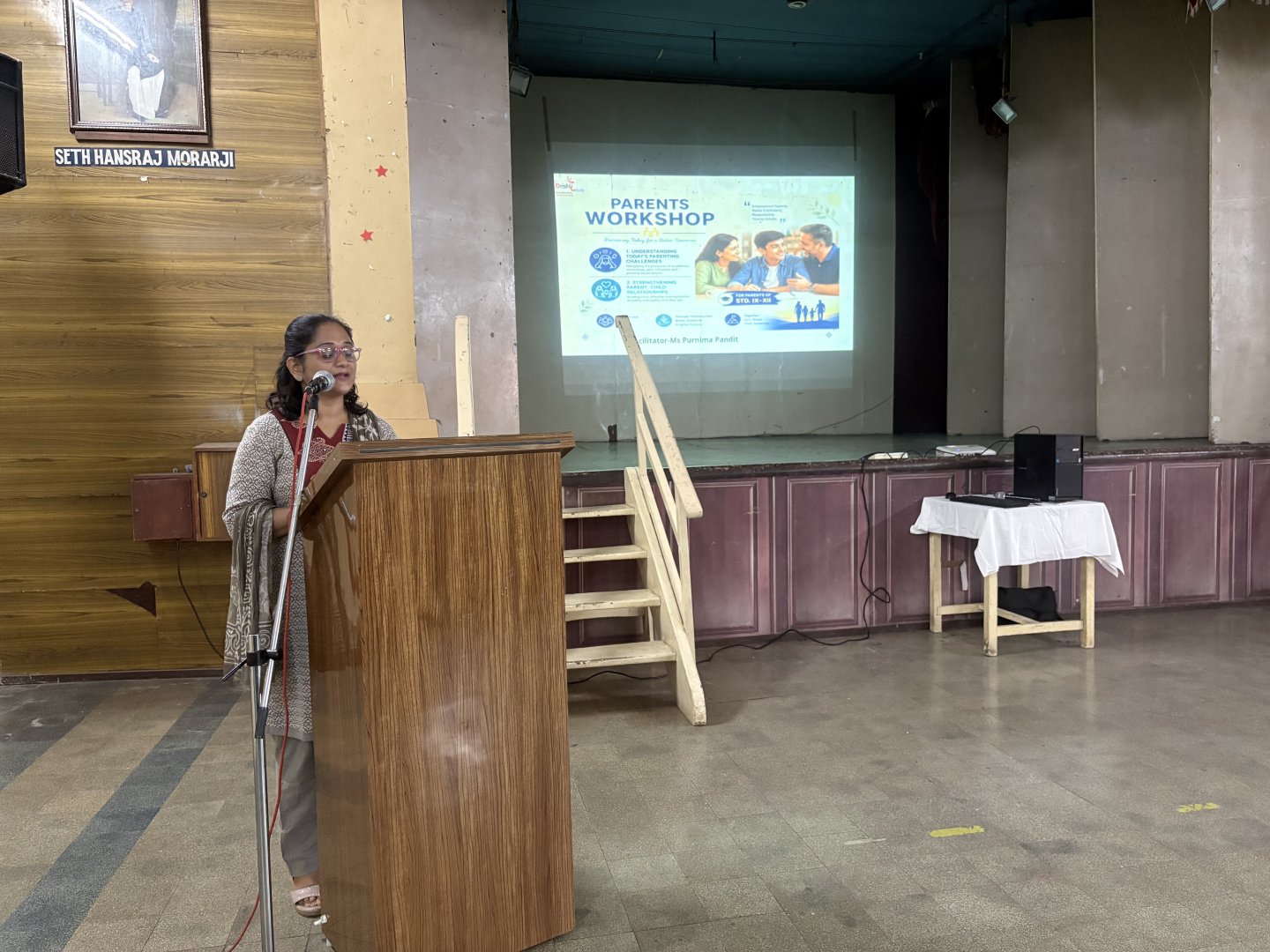
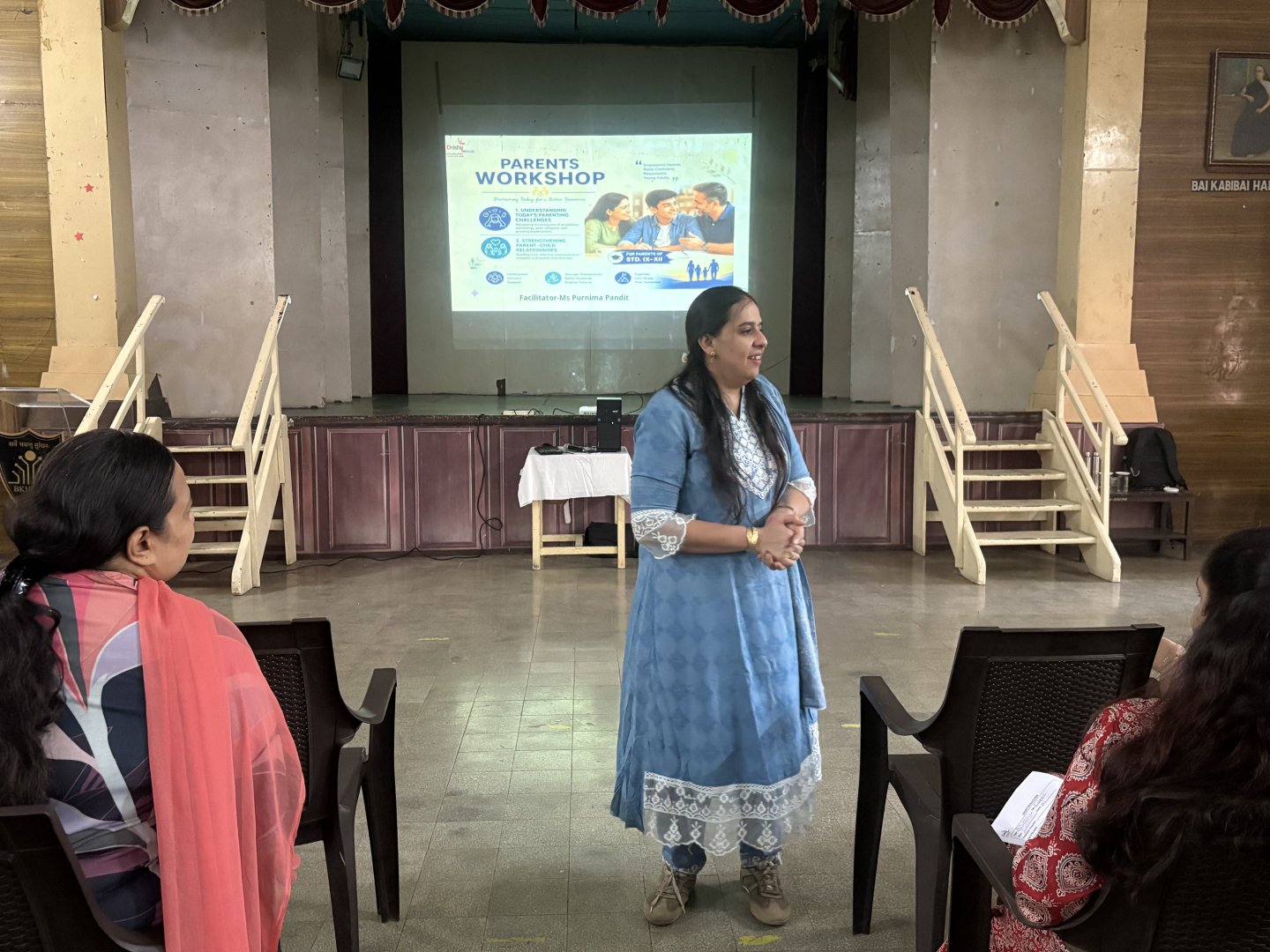
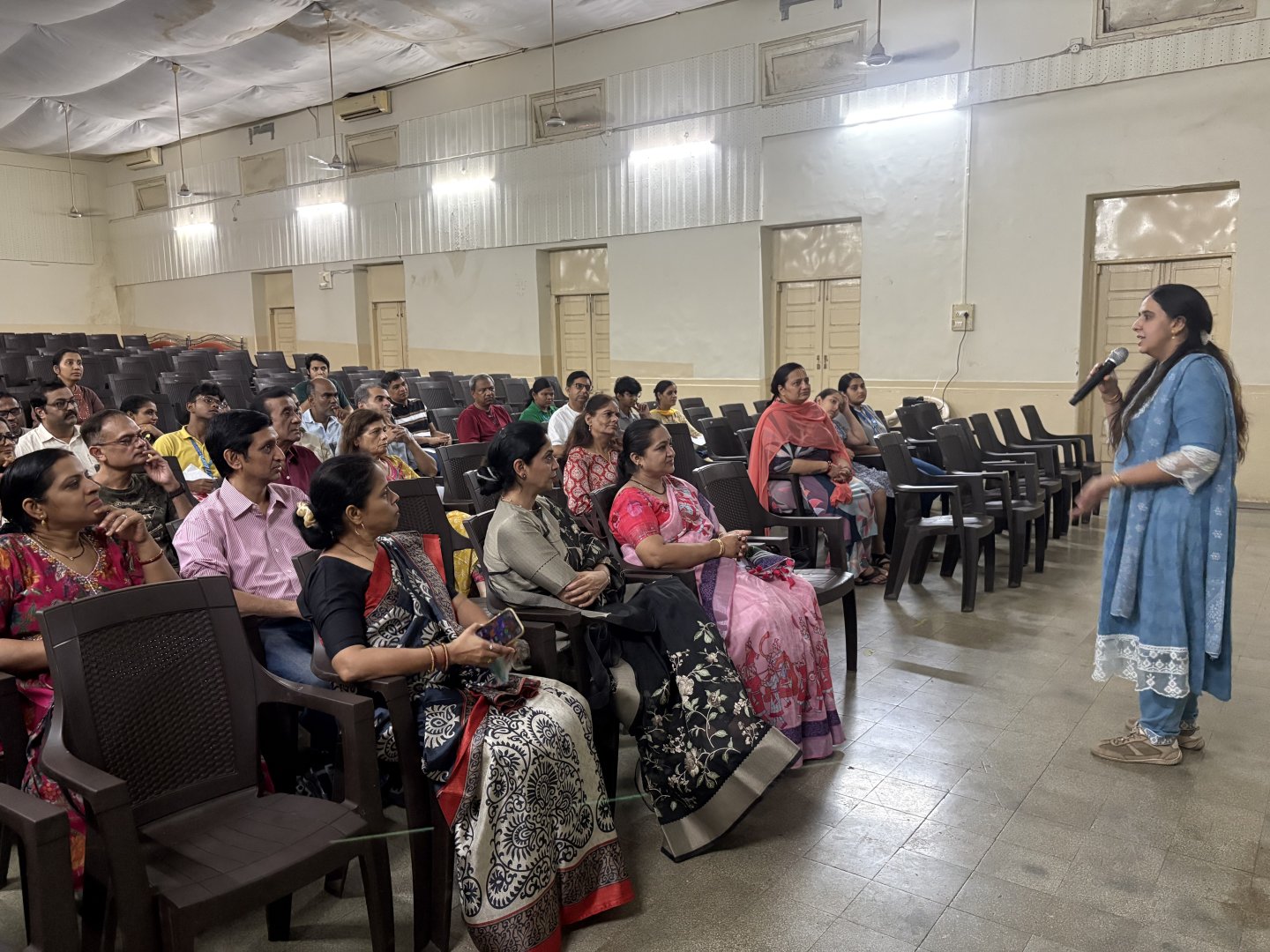
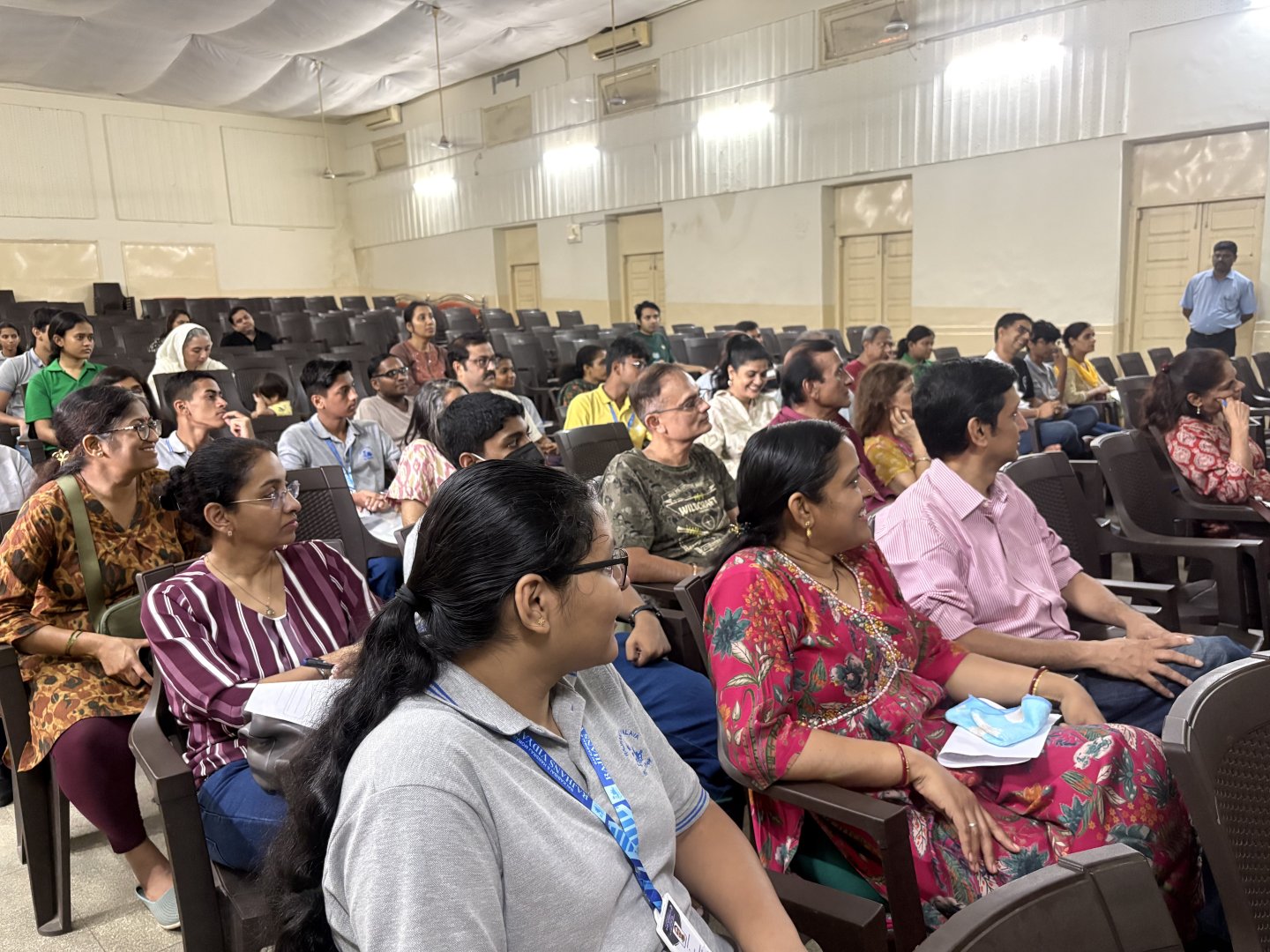
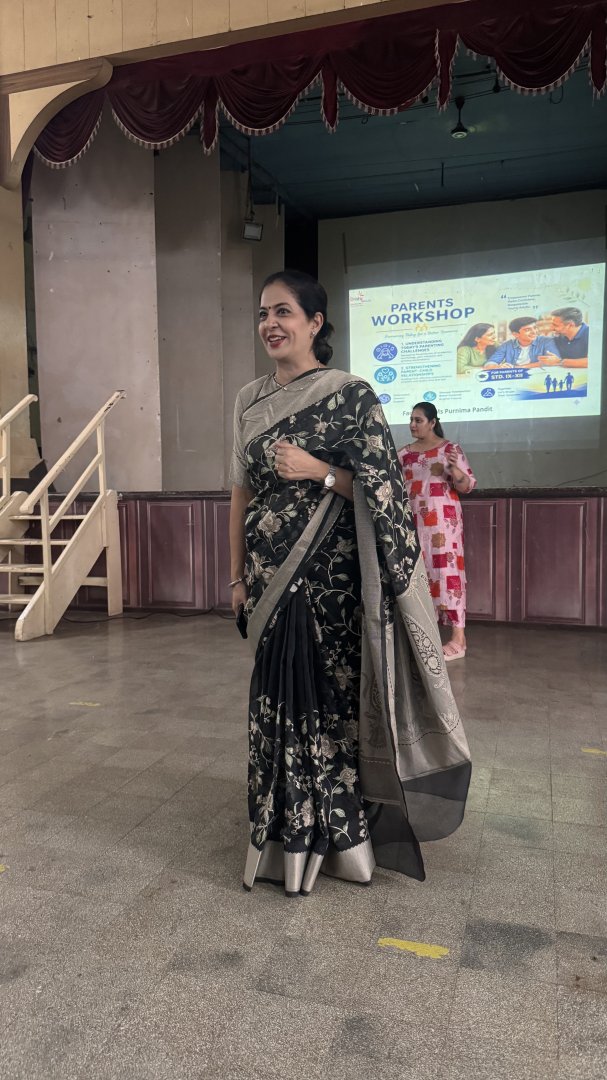
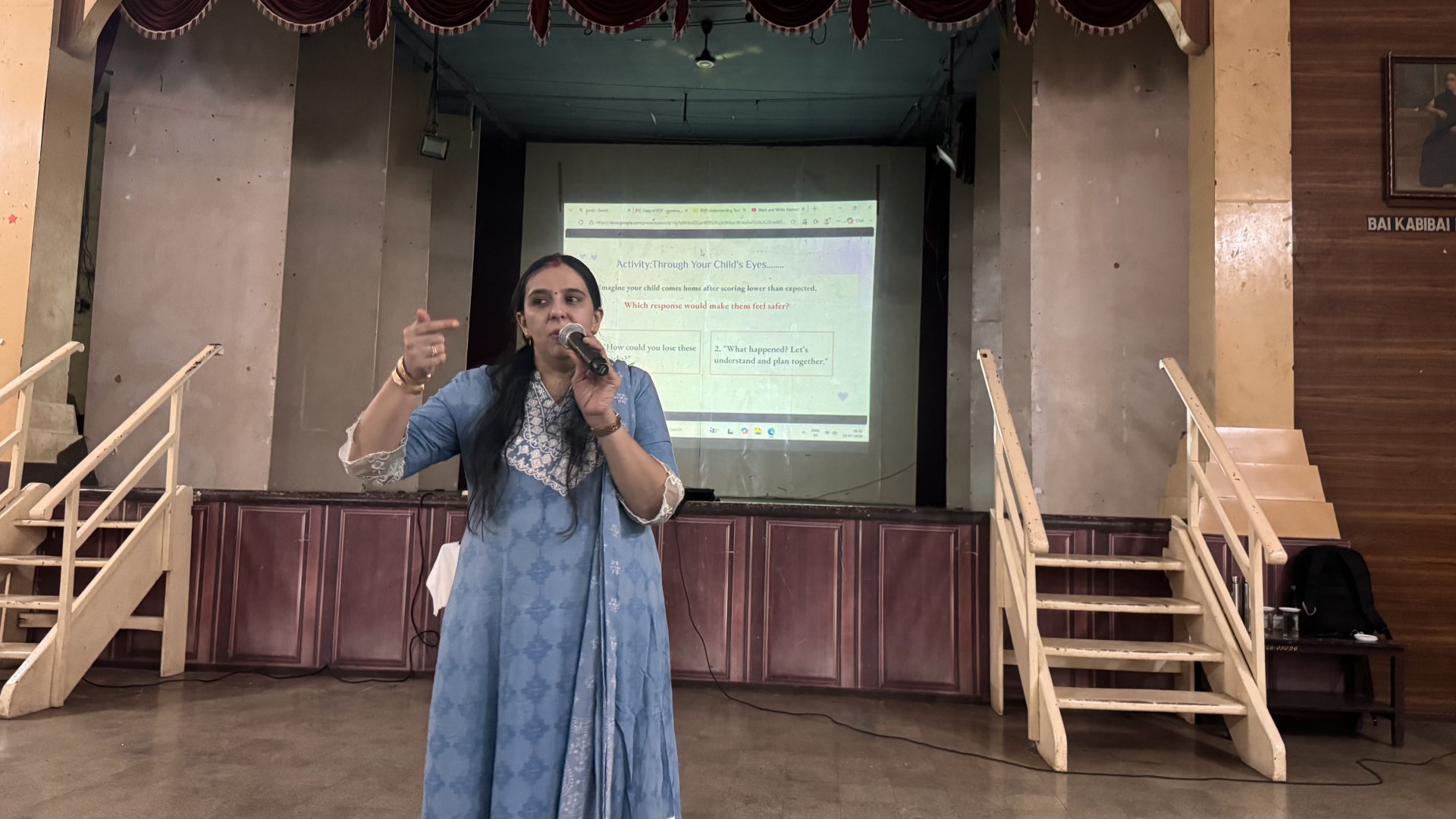
The Parent Orientation Programme for the parents of Grades XI and XII was conducted on 18 July 2026 on the theme, "Understanding Today's Parenting Challenges & Strengthening Parent–Child Relationships." The session was facilitated by Ms. Purnima Pandit with the objective of equipping parents with practical strategies to support their children during this crucial academic stage. The programme emphasised that success in the senior secondary years is determined not only by academic performance but also by emotional well-being, resilience, balance, and healthy adolescent development. Parents were encouraged to provide guidance, encouragement, and emotional security rather than pressure and comparison.
The programme began with an introduction to Drishti Counselling Center and its 30-year journey of promoting inclusion, mental health, and student well-being through school counselling programmes, assessments, remedial education, career guidance, and parent engagement initiatives. Parents were also introduced to the wide range of services offered by the organisation and the importance of collaborative partnerships between schools and families.
An engaging reflection activity titled "Let's Go Back in Time" invited parents to revisit their own teenage years by reflecting on personal experiences and sharing them with the group. This helped parents recognise that although the world has changed significantly, adolescents continue to seek understanding, acceptance, trust, and unconditional support from their families. The activity fostered empathy and created a warm, participative atmosphere for the rest of the session.
The facilitator discussed the various challenges faced by today's adolescents, including academic pressure, social media influence, fear of missing out (FOMO), peer relationships, career uncertainty, and emotional well-being. Parents were encouraged to understand these developmental challenges from their child's perspective and appreciate the importance of emotional support during this stage.
A key highlight of the session was the introduction of the Iceberg Model of Behaviour, which illustrated that behaviours such as excessive mobile phone use, withdrawal, irritability, or lack of communication often have underlying emotional needs and concerns. Through the group activity "A Window into Your Child's World," parents worked collaboratively to identify possible emotions and unmet needs behind common adolescent behaviours. This activity generated thoughtful discussions and helped parents shift from reacting to behaviour to understanding the emotions driving it.
The session further focused on strengthening communication between parents and adolescents. Parents learnt how to replace critical or blaming statements with respectful "I-Statements" that express feelings, concerns, and expectations without damaging the parent–child relationship. Through paired activities, participants practised reframing common parenting statements into more empathetic and constructive conversations.
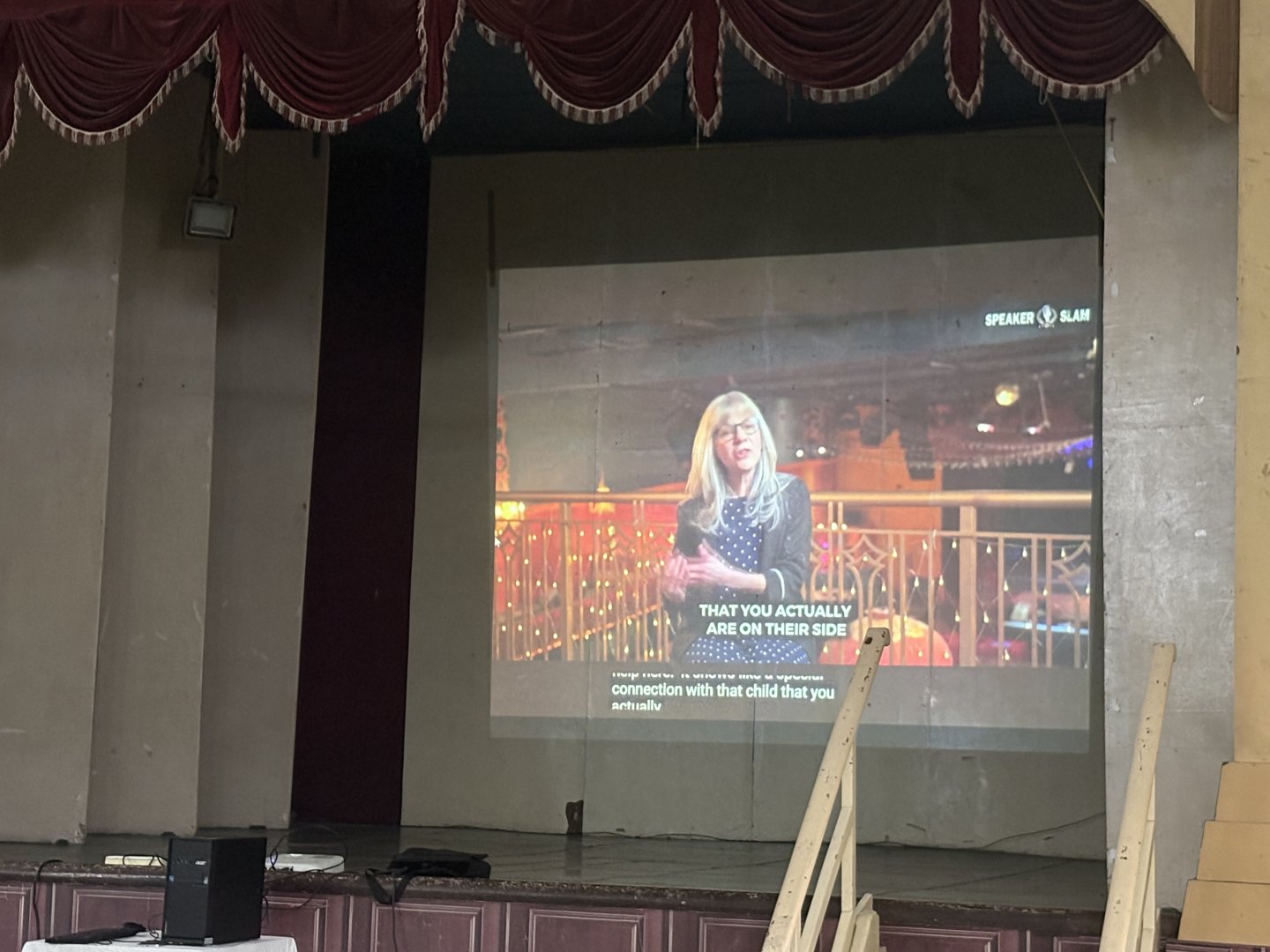
The facilitator also highlighted the importance of emotional availability, active listening, validating feelings, and maintaining a trusting relationship with adolescents. A video presentation and discussions reinforced how praising effort, encouraging resilience, and reducing unnecessary academic pressure can positively influence children's confidence and motivation.
Parents actively participated in a role-play activity where they practised communication techniques such as active listening, maintaining a calm tone, and negotiating respectfully while setting appropriate boundaries. This practical exercise enabled parents to experience how effective communication can reduce conflict and strengthen relationships.
Towards the end of the programme, practical strategies for supporting children during examinations were discussed. Parents were encouraged to create a calm and emotionally safe home environment, focus on effort rather than marks, promote a growth mindset, manage expectations realistically, and reassure children that examinations do not define their worth or future. The session concluded with a reflective commitment activity titled "One Promise to My Child," where parents wrote personal commitments describing how they would support their children throughout the Grades XI and XII journey.
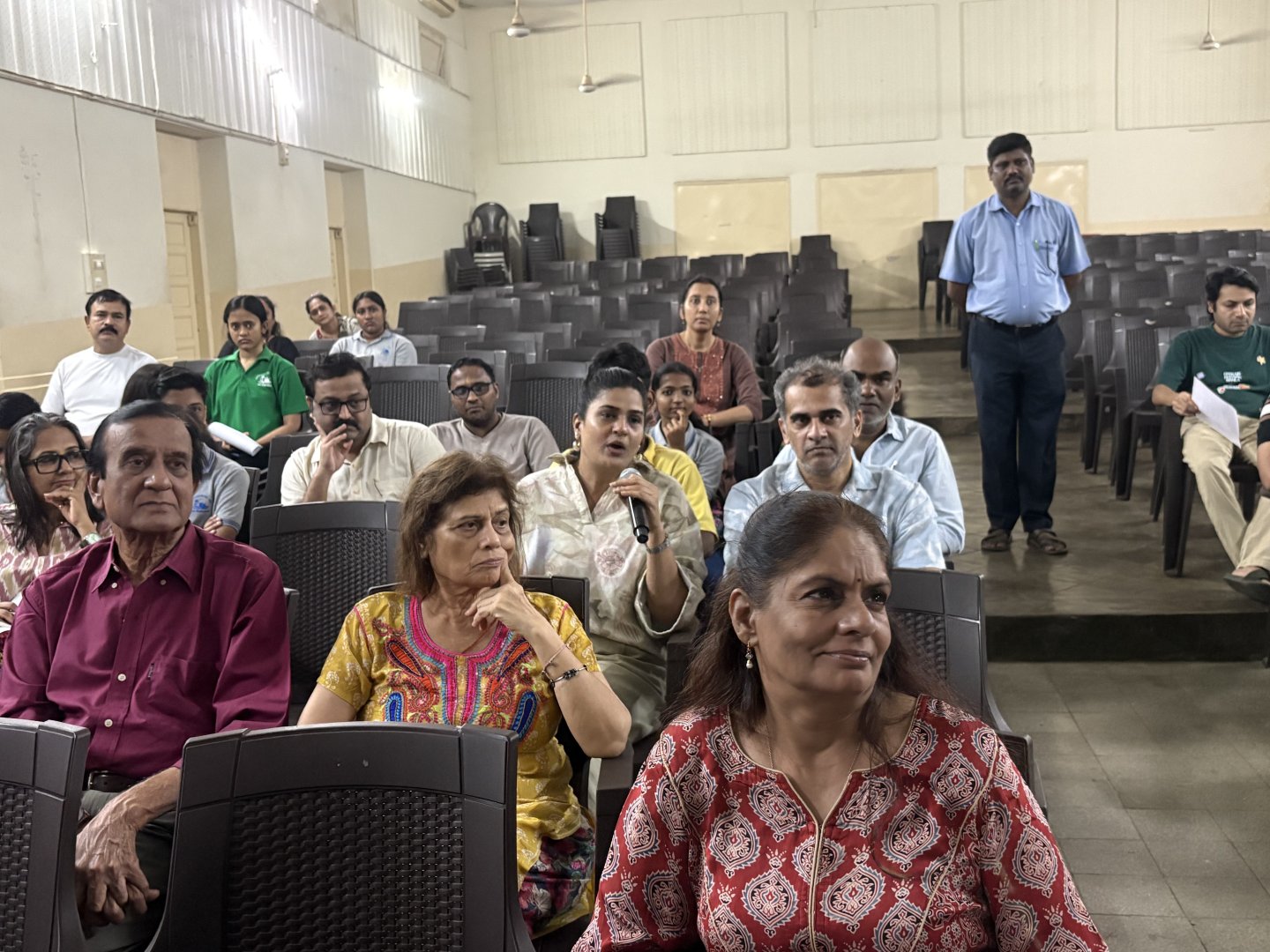
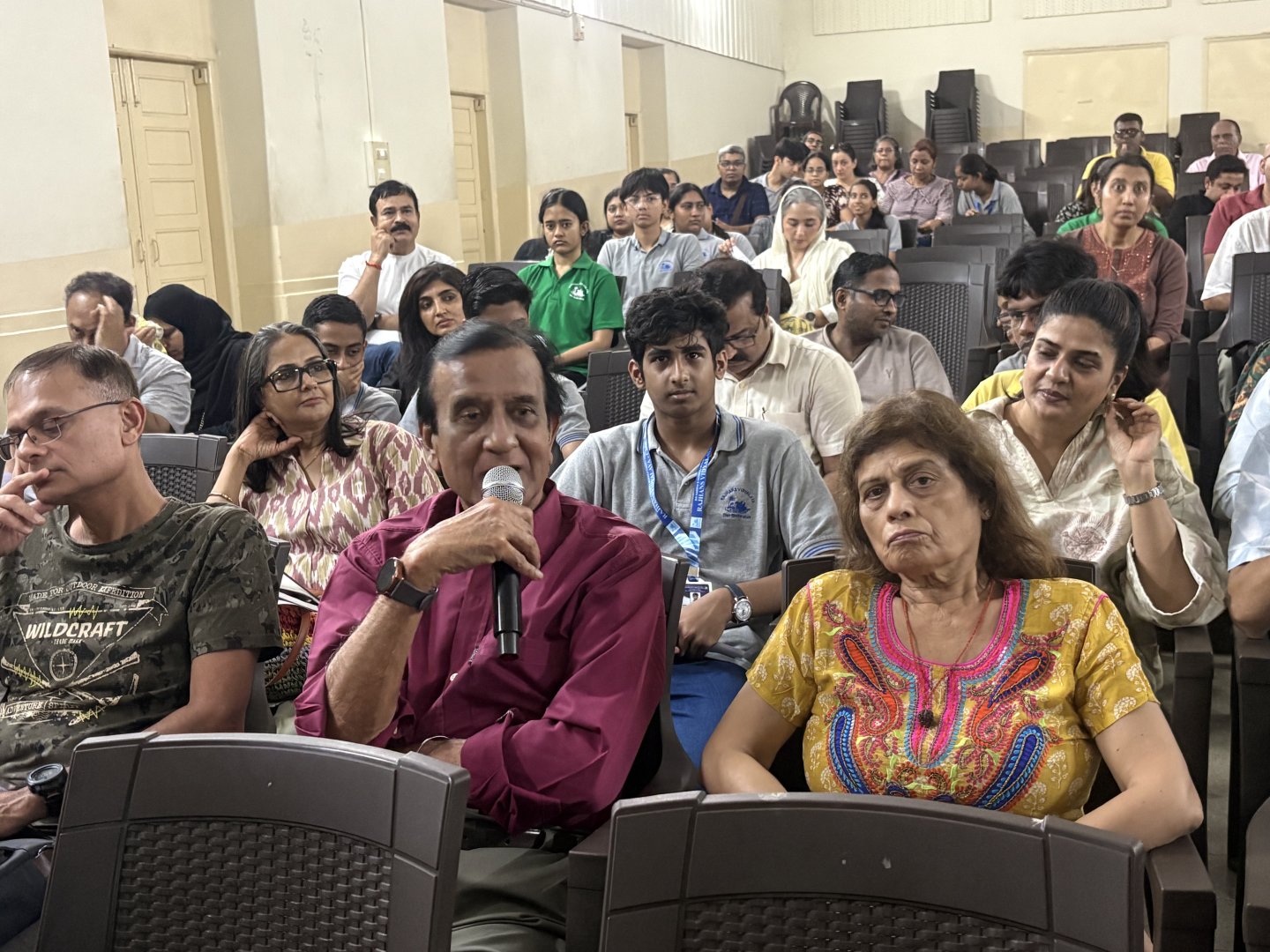
The orientation programme was highly interactive, with parents enthusiastically participating in reflection activities, group discussions, role plays, and collaborative exercises. Throughout the session, parents raised numerous thoughtful questions regarding academic stress, mobile phone usage, examination anxiety, communication challenges, motivation, discipline, career planning, and balancing expectations with emotional support. The open discussions allowed parents to share their concerns, seek practical guidance, and learn from one another's experiences. Their active participation reflected a strong commitment to supporting their children and contributed to a meaningful and enriching learning experience.
Overall, the Parent Orientation Programme successfully created awareness about the developmental needs of adolescents while empowering parents with practical strategies to build stronger relationships, enhance communication, and create a supportive home environment that nurtures both academic achievement and emotional well-being.