D.H.A.R.A. – DIGITAL HYDRATION ACCESS & RESOURCE AUTOMATION – AUGUST 2026
About This Activity
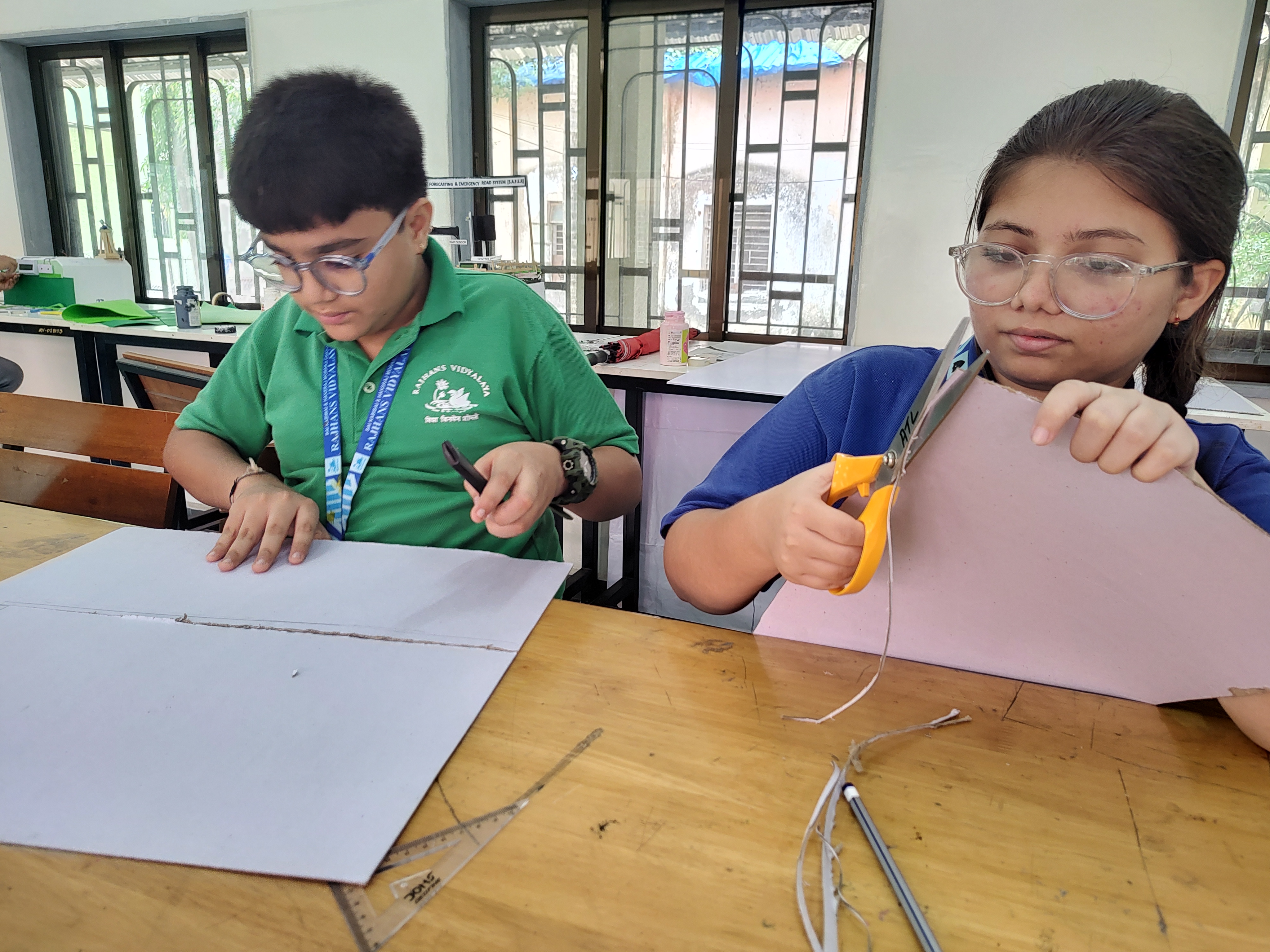
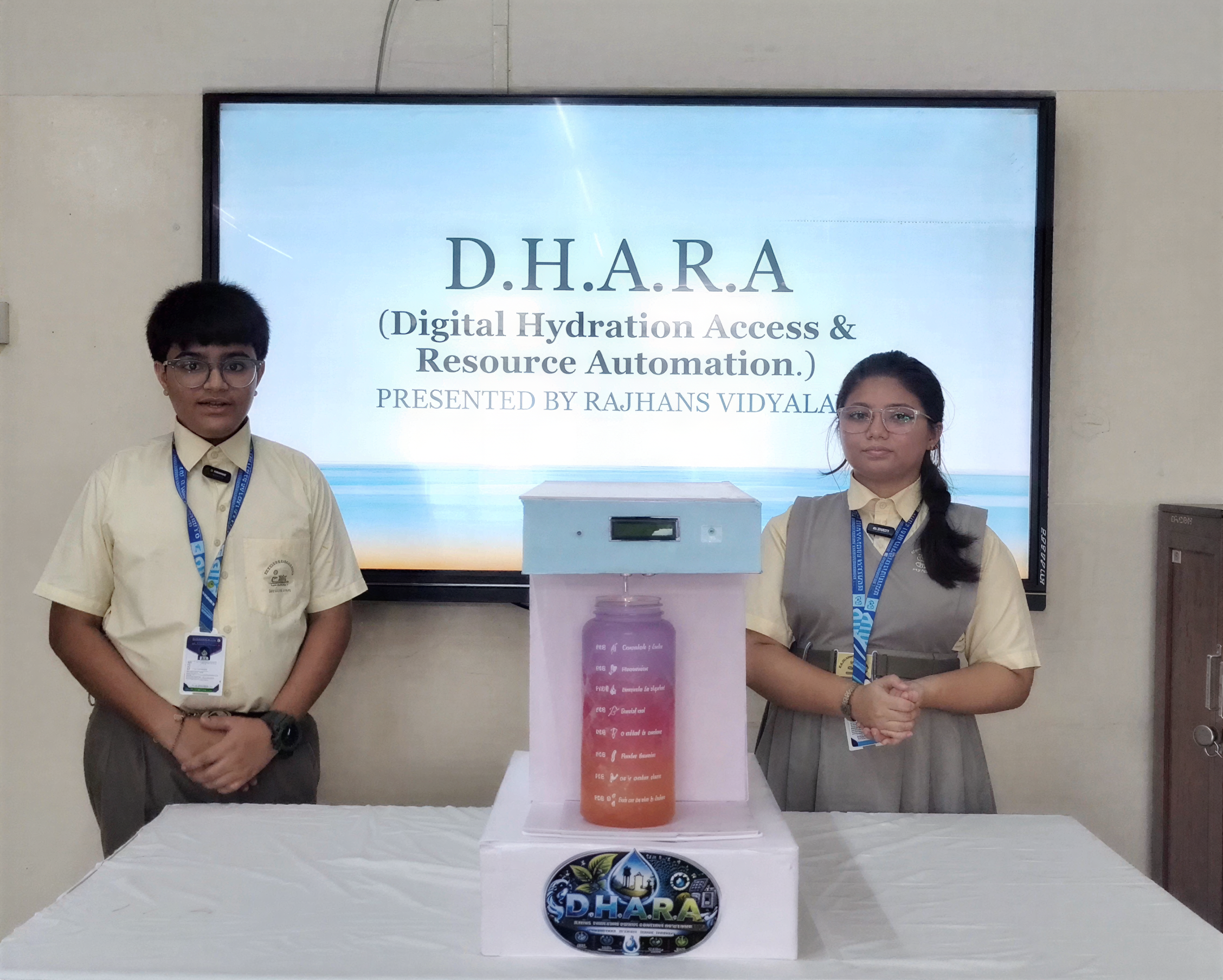
DD.H.A.R.A. (Digital Hydration Access & Resource Automation) was developed by Vedashree Y. Bane (Class IX A) and Maneet M. Shah (Class IX C) as an ATAL Tinkering Lab project during August 2026 under the mentorship of Mr. Sahil S. Pol (ATL Incharge). The project aims to provide controlled access to drinking water while reducing unnecessary water wastage through automation.
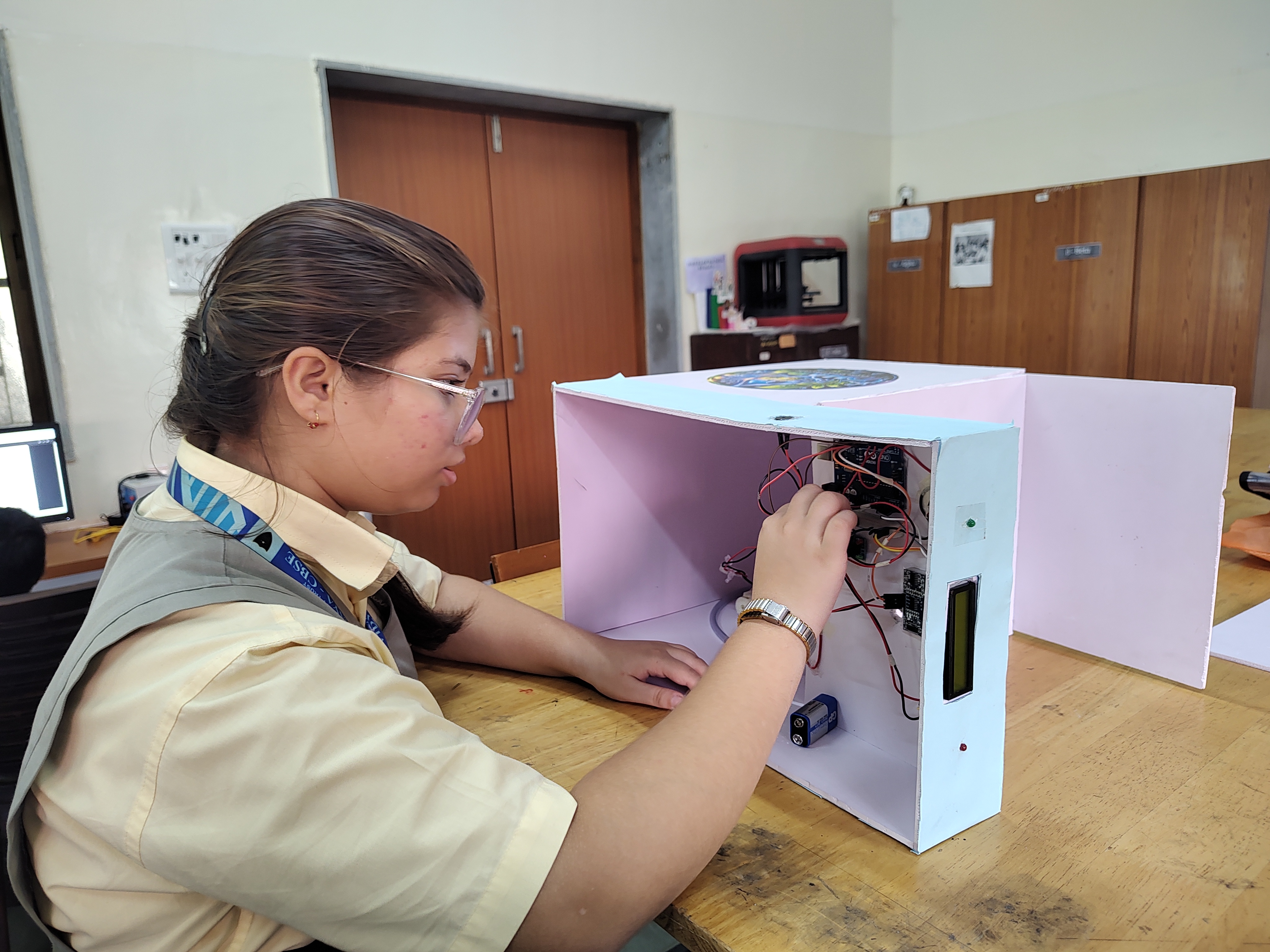
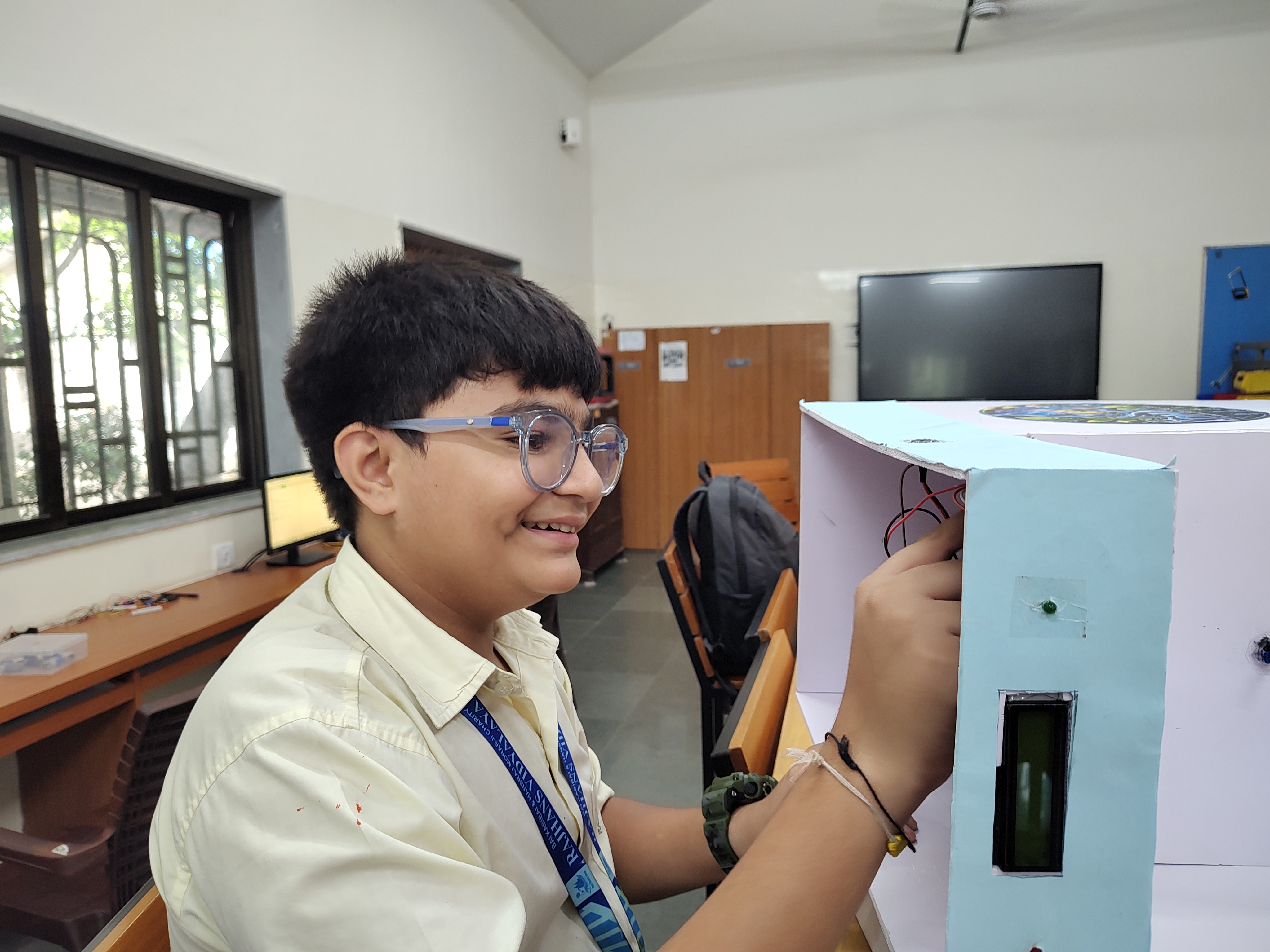
The prototype uses an Arduino, IR sensor, ultrasonic sensor, water pump, relay module, LCD display, LEDs, and buzzer to automate the water-dispensing process. The system detects the presence of a bottle, starts the water pump, monitors the water level, and automatically stops dispensing when the required level is reached. Visual and audio indicators provide information about the dispensing and full-water conditions.
The project helped students understand sensors, microcontrollers, automation, programming, and water-management systems through practical experimentation. It also encouraged students to develop innovative and sustainable solutions for efficient water usage, particularly in community and rural settings..H.A.R.A. (Digital Hydration Access & Resource Automation) was developed by Vedashree Y. Bane (Class IX A) and Maneet M. Shah (Class IX C) as an ATAL Tinkering Lab project during August 2026 under the mentorship of Mr. Sahil S. Pol (ATL Incharge). The project aims to provide controlled access to drinking water while reducing unnecessary water wastage through automation.
The prototype uses an Arduino, IR sensor, ultrasonic sensor, water pump, relay module, LCD display, LEDs, and buzzer to automate the water-dispensing process. The system detects the presence of a bottle, starts the water pump, monitors the water level, and automatically stops dispensing when the required level is reached. Visual and audio indicators provide information about the dispensing and full-water conditions.
The project helped students understand sensors, microcontrollers, automation, programming, and water-management systems through practical experimentation. It also encouraged students to develop innovative and sustainable solutions for efficient water usage, particularly in community and rural settings.